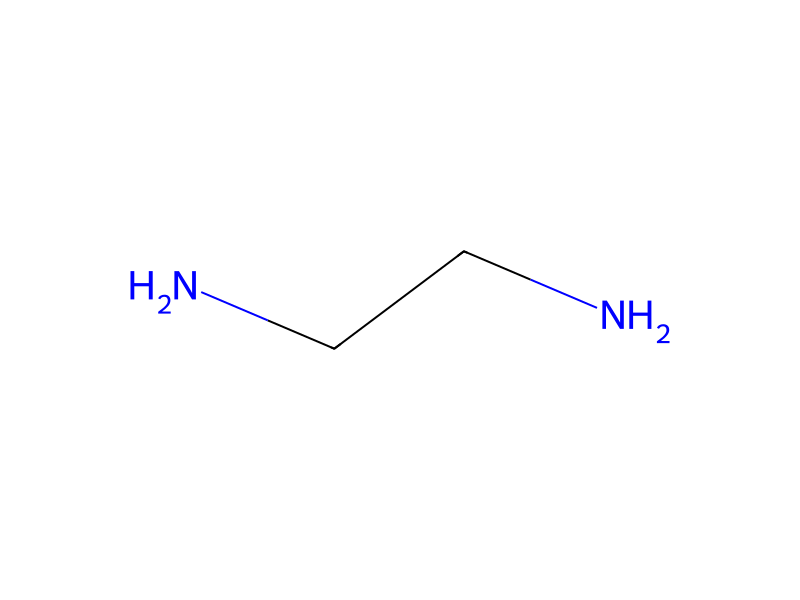
Ethylenediamine → HCID 2767072, compound
Reaction equation

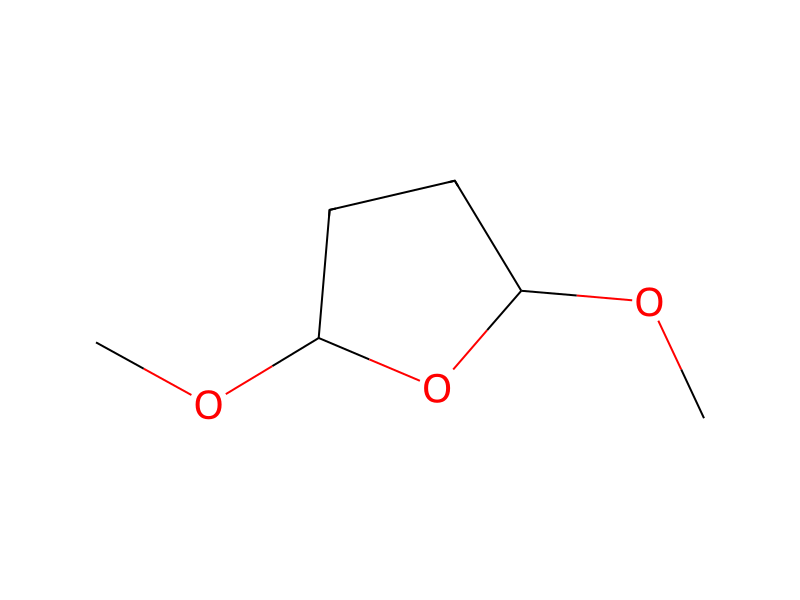
[CH2:1]([NH2:4])[CH2:2][NH2:3].CO[CH:7]1[CH2:11][CH2:10][CH:9](OC)O1.[O:14]1CCO[CH2:16][CH2:15]1>C(O)(=O)C>[C:15]([NH:3][CH2:2][CH2:1][N:4]1[CH:9]=[CH:10][CH:11]=[CH:7]1)(=[O:14])[CH3:16]Participants
Reactant 3

Product 1

Reagents, catalysts & solvents 1

Procedure
A solution of 140 g of ethylenediamine and 300 g of 2,5-dimethoxytetrahydrofuran in 2000 ml of dioxane and 1700 ml of glacial acetic acid is stirred and refluxed for 6 hours. The reaction mixture is then cooled and the solvents evaporated under reduced pressure at 60°. The dark residue is taken up in methylene chloride and ice and basified with 3N aqueous sodium hydroxide. The organic layer is separated and extracted into 5 N aqueous hydrochloric acid. The acid extract is made basic with cooling and is extracted with methylene chloride. The organic phase is dried over magnesium sulfate, treated with 10 g of charcoal and filtered. The methylene chloride is evaporated under reduced pressure to give an N-acetyl-2-(1-pyrrolyl)-ethylamine as an oil.
Workup
- temperaturerefluxed for 6 hours
- temperatureThe reaction mixture is then cooled
- customthe solvents evaporated under reduced pressure at 60°
- customThe organic layer is separated
- extractionextracted into 5 N aqueous hydrochloric acid
- extractionThe acid extract
- temperaturewith cooling
- extractionis extracted with methylene chloride
- dry with materialThe organic phase is dried over magnesium sulfate
- additiontreated with 10 g of charcoal
- filtrationfiltered
- customThe methylene chloride is evaporated under reduced pressure
Sources & evidence
- ORD record
- ord-ac31ef137023458fa2144f150003d40e
- Source dataset
- uspto-grants-1990_01
- Patent number
- US04897399
Reaction notes
Loading…