Triethylamine → HCID 70665405, compound
Reaction equation

Cl[C:2]1[C:7]([N+:8]([O-:10])=[O:9])=[CH:6][CH:5]=[CH:4][N:3]=1.[CH:11]1[C:19]2[C:18]3[CH:20]=[CH:21][CH:22]=[CH:23][C:17]=3[O:16][C:15]=2[C:14]([NH2:24])=[CH:13][CH:12]=1.C(N(CC)CC)C>C(O)CCC>[CH:11]1[C:19]2[C:18]3[CH:20]=[CH:21][CH:22]=[CH:23][C:17]=3[O:16][C:15]=2[C:14]([NH:24][C:2]2[C:7]([N+:8]([O-:10])=[O:9])=[CH:6][CH:5]=[CH:4][N:3]=2)=[CH:13][CH:12]=1Participants
5
Reactant 3

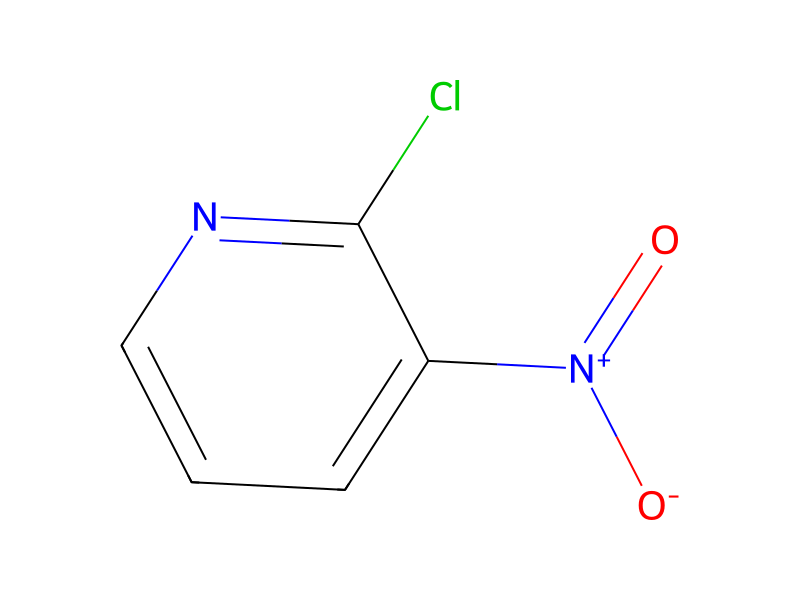

Product 1

Reagents, catalysts & solvents 1

Procedure
2-chloro-3-nitropyridine (4.39 g, 27.7 mmol), dibenzo[b,d]furan-4-amine (5.58 g, 30.5 mmol), triethylamine (4.3 mL, 30.9 mmol), and butanol (90 mL) were mixed in a 250 mL round bottom flask. The reaction mixture was refluxed overnight under nitrogen. The solvent was evaporated, leaving an orange solid which was dried under vacuum. The solid was taken up in ethyl acetate, water was added and the layers were separated. The organic layer with washed with brine, dried over magnesium sulfate, filtered, and evaporated to a residue. The residue was purified on by column chromatography eluting with 10% ethyl acetate/hexanes followed by ethyl acetate (4.6 g, 54%).
Workup
- temperatureThe reaction mixture was refluxed overnight under nitrogen
- customThe solvent was evaporated
- customleaving an orange solid which
- customwas dried under vacuum
- additionwater was added
- customthe layers were separated
- washThe organic layer with washed with brine
- dry with materialdried over magnesium sulfate
- filtrationfiltered
- customevaporated to a residue
- customThe residue was purified on by column chromatography
- washeluting with 10% ethyl acetate/hexanes
Sources & evidence
- ORD record
- ord-78478ba2e325449491610abf7ec88fa0
- Source dataset
- uspto-grants-2014_11
- Patent number
- US08883322B2
Reaction notes
Loading…