Potassium Hydroxide → 7-(5-Isobutylpyridin-2-yl)-7-azaspiro[3.5]non-2-ylamine
Reaction equation

[OH-].[K+].C(OC(=O)[NH:7][CH:8]1[CH2:11][C:10]2([CH2:16][CH2:15][N:14]([C:17]3[CH:22]=[CH:21][C:20]([CH2:23][CH:24]([CH3:26])[CH3:25])=[CH:19][N:18]=3)[CH2:13][CH2:12]2)[CH2:9]1)C>C(O)C.O>[CH2:23]([C:20]1[CH:21]=[CH:22][C:17]([N:14]2[CH2:13][CH2:12][C:10]3([CH2:9][CH:8]([NH2:7])[CH2:11]3)[CH2:16][CH2:15]2)=[N:18][CH:19]=1)[CH:24]([CH3:26])[CH3:25]Participants



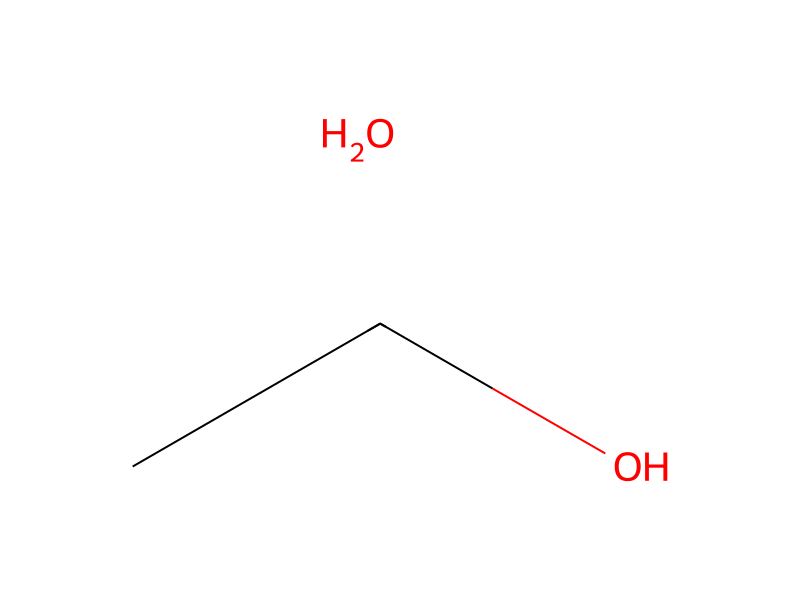
Conditions
- Temperature
- 110 °C
Procedure
1.21 g (21.65 mmol) of potassium hydroxide are added, at room temperature, to a solution of 0.37 g (1.08 mmol) of ethyl[7-(5-isobutylpyridin-2-yl)-7-azaspiro[3.5]non-2-yl]carbamate in 5 mL of ethanol/water (1/1). The mixture is then heated at 110° C. for 15 hours. The resulting mixture is allowed to cool to room temperature and is then concentrated under reduced pressure. The reaction medium is taken up in saturated sodium chloride solution and dichloromethane, the aqueous phase is separated out and extracted with dichloromethane, and the combined organic phases are dried over sodium sulfate. After evaporating under reduced pressure and purifying on a column of silica gel, eluting with a 100/0/0 to 96/4/0.4 mixture of dichloromethane, methanol and 28% aqueous ammonia, 0.27 g of expected product is obtained in the form of a wax.
Workup
- temperatureto cool to room temperature
- concentrationis then concentrated under reduced pressure
- customdichloromethane, the aqueous phase is separated out
- extractionextracted with dichloromethane
- dry with materialthe combined organic phases are dried over sodium sulfate
- customAfter evaporating under reduced pressure
- custompurifying on a column of silica gel
- washeluting with a 100/0/0 to 96/4/0.4 mixture of dichloromethane, methanol and 28% aqueous ammonia
Sources & evidence
- ORD record
- ord-fa0f2117dd294b268580835c215fd460
- Source dataset
- uspto-grants-2014_11
- Patent number
- US08889702B2
Reaction notes
Loading…