Potassium Hydroxide → 5-Bromo-1-(4-nitro-benzyl)-1H-indole-2-carboxylic Acid
Reaction equation

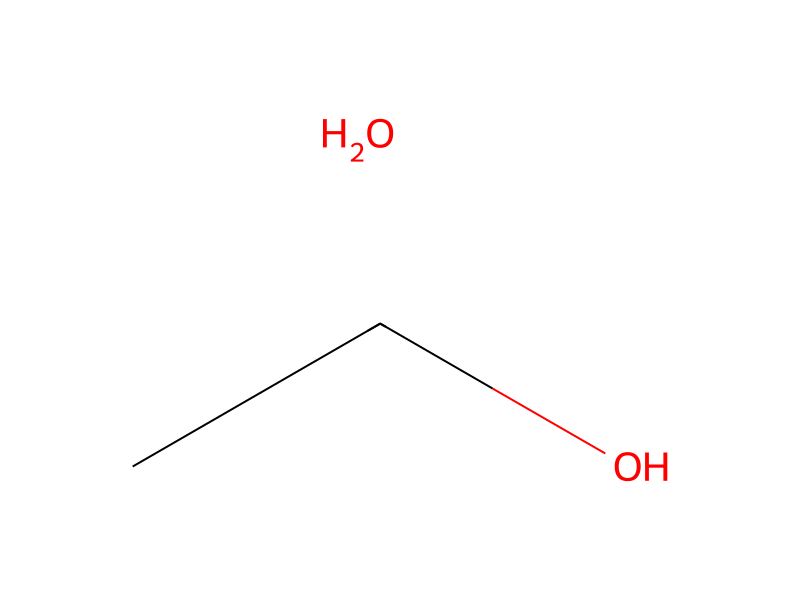
C([O:3][C:4]([C:6]1[N:7]([CH2:16][C:17]2[CH:22]=[CH:21][C:20]([N+:23]([O-:25])=[O:24])=[CH:19][CH:18]=2)[C:8]2[C:13]([CH:14]=1)=[CH:12][C:11]([Br:15])=[CH:10][CH:9]=2)=[O:5])C.[OH-].[K+]>C(O)C.O>[Br:15][C:11]1[CH:12]=[C:13]2[C:8](=[CH:9][CH:10]=1)[N:7]([CH2:16][C:17]1[CH:18]=[CH:19][C:20]([N+:23]([O-:25])=[O:24])=[CH:21][CH:22]=1)[C:6]([C:4]([OH:5])=[O:3])=[CH:14]2Participants
4



Procedure
To a stirred solution of 5-bromo-1-(4-nitro-benzyl)-1H-indole-2-carboxylic acid ethyl ester (2.3 g, 5.7 mmol) in ethanol/water (2:1, 45 ml) at room temperature was added potassium hydroxide (0.96 g, 17.1 mmol). The solution was warmed to reflux for about 3 hours, cooled, and most of the ethanol was removed under reduced pressure. To the residue was added water, 0.5N sodium hydroxide and methylene chloride, and the two-phase mixture was suction filtered to remove some insoluble material. The aqueous layer was acidified to pH 2 with 6N hydrochloric acid, and the precipitate was filtered off, washed with water, and air dried to afford the title compound, (1.66 g).
Workup
- temperatureThe solution was warmed
- temperatureto reflux for about 3 hours
- temperaturecooled
- custommost of the ethanol was removed under reduced pressure
- additionTo the residue was added water, 0.5N sodium hydroxide and methylene chloride
- filtrationfiltered
- customto remove some insoluble material
- filtrationthe precipitate was filtered off
- washwashed with water, and air
- customdried
Sources & evidence
- ORD record
- ord-c50204e6030b4aedb10c4f8ecb9dcf0b
- Source dataset
- uspto-grants-1999_01
- Patent number
- US05859044
Reaction notes
Loading…