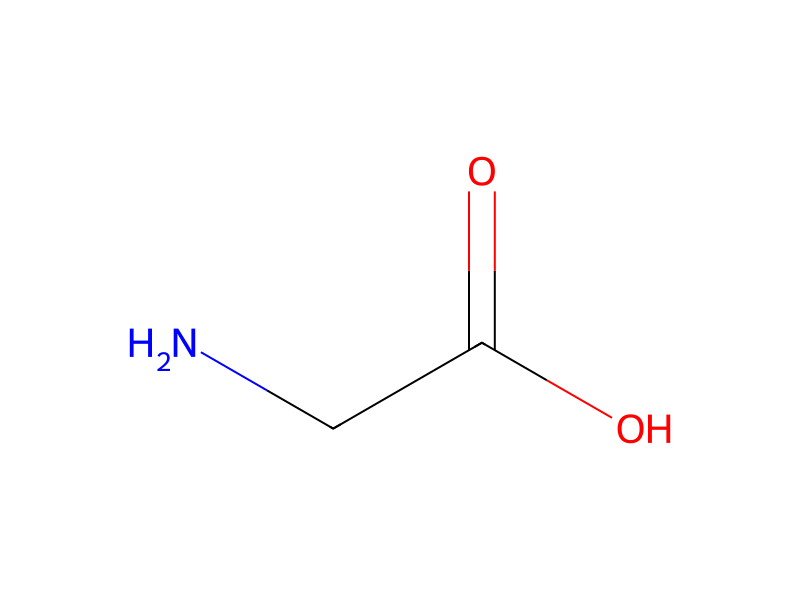
Glycine → Glyphosate
Reaction equation

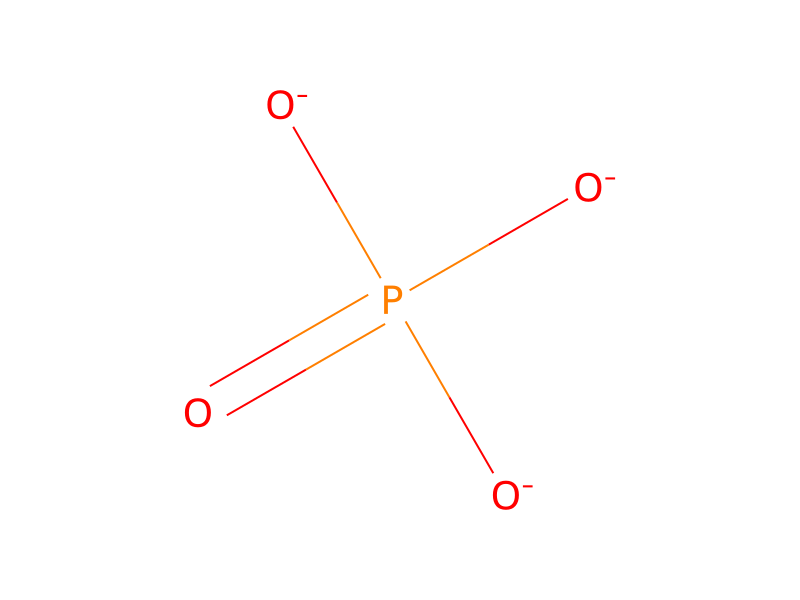
[C:1]([P:3](=[O:6])([O-:5])[O-:4])#[N:2].[Na+].[Na+].N[CH2:10][C:11]([OH:13])=[O:12].Cl.O1CCOCC1.[H][H]>O.[Pd]>[P:3]([O-:5])([O-:12])([O-:4])=[O:6].[P:3]([CH2:1][NH:2][CH2:10][C:11]([OH:13])=[O:12])([OH:5])([OH:4])=[O:6]Participants
8






Procedure
Disodium cyanophosphonate (partially hydrated) (0.170 g, 1.06 mmol) was dissolved in water (5 ml) in a Fisher Porter bottle containing a magnetic stir bar, and glycine (0.0862 g, 1.148 mmol) was added. Three percent palladium on carbon (0.060 g, prepared as per Example 3) was added along with HCl-dioxane (0.25 ml, 4N, 1 mmol). After three pressure-release cycles with hydrogen, the bottle was pressurized to 25 psi with hydrogen and stirred overnight at ambient temperature. The pressure was released, and the reaction mixture was filtered through Celite and washed with D2O. HPLC analysis (system for phosphate analysis) gave a 1.2% yield of N-phosphonomethylglycine.
Workup
- additioncontaining a magnetic stir bar
- filtrationthe reaction mixture was filtered through Celite
- washwashed with D2O
Sources & evidence
- ORD record
- ord-f65640c2054c4820902530f431cd936a
- Source dataset
- uspto-grants-1999_01
- Patent number
- US05859290
Reaction notes
Loading…