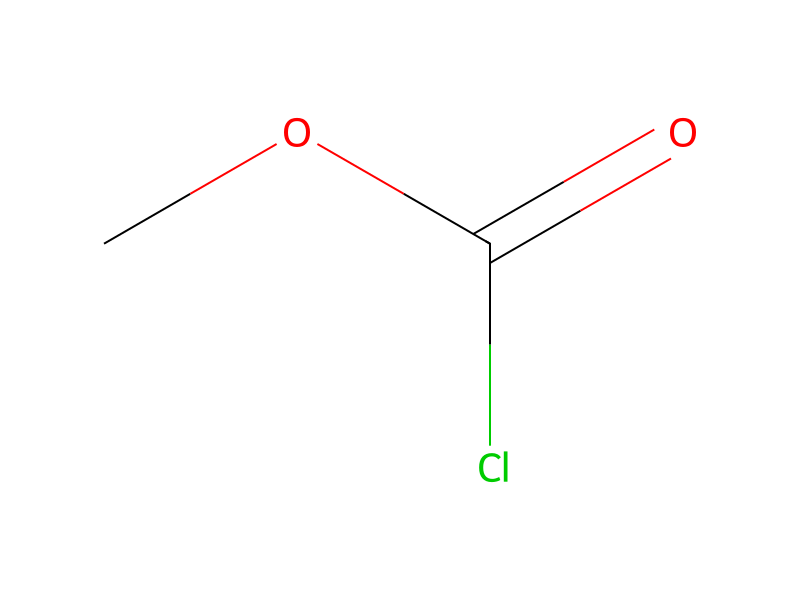
Methyl chloroformate → 2,6,7-Trioxabicyclo(2.2.2)octane, 4-(1,1-dimethylethyl)-1-(4-ethynylphenyl)-
Reaction equation

[C:1]([C:3]1[CH:8]=[CH:7][C:6]([C:9]23[O:16][CH2:15][C:12](CCC)([CH2:13][O:14]2)[CH2:11][O:10]3)=[CH:5][CH:4]=1)#[CH:2].ClC(OC)=O.[CH2:25]([C:28]12COC(C3C=CC(C#CC(OC)=O)=CC=3)(O[CH2:33]1)O[CH2:29]2)CC>>[C:28]([C:12]12[CH2:11][O:10][C:9]([C:6]3[CH:7]=[CH:8][C:3]([C:1]#[CH:2])=[CH:4][CH:5]=3)([O:14][CH2:13]1)[O:16][CH2:15]2)([CH3:33])([CH3:29])[CH3:25]Participants
4


Procedure
Using the methodology described in (ii) above and starting from 1-(4-ethynylphenyl)-4-n-propyl-2,6,7-trioxabicyclo[2,2,2]octane and methyl chloroformate, methyl 3-[4-(4-n-propyl-2,6,7-trioxabicyclo[2,2,2]oct-1-yl)phenyl]prop-2-ynoate was prepared.
Workup
- customwas prepared
Sources & evidence
- ORD record
- ord-4bc44f1837884b47942c411634f926a4
- Source dataset
- uspto-grants-1991_10
- Patent number
- US05057508
Reaction notes
Loading…