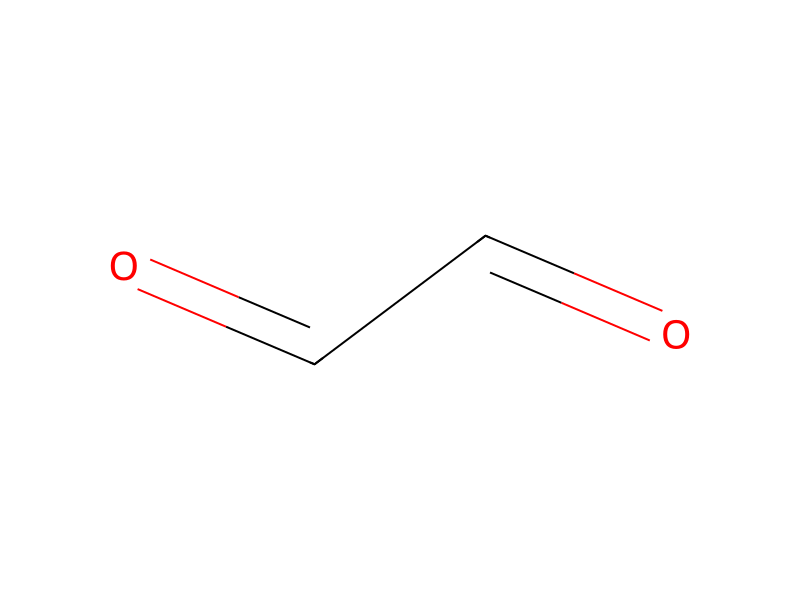
Glyoxal → HCID 178517228, compound
Reaction equation

[NH2:1][C:2]1[C:11]([NH2:12])=[C:10]([Cl:13])[CH:9]=[C:8]2[C:3]=1[N:4]=[C:5]([OH:15])[C:6]([OH:14])=[N:7]2.[CH:16]([CH:18]=O)=O.C(=O)([O-])[O-].[Na+].[Na+]>O>[Cl:13][C:10]1[CH:9]=[C:8]2[N:7]=[C:6]([OH:14])[C:5]([OH:15])=[N:4][C:3]2=[C:2]2[C:11]=1[N:12]=[CH:18][CH:16]=[N:1]2Participants
5
Reactant 3


Product 1

Reagents, catalysts & solvents 1

Conditions
- Temperature
- 50 °C
Procedure
A mixture of 0,5 g (2,24 mmol) 5,6-diamino-7-chloro-2,3-dihydroxyquinoxaline in 20 ml water was added 0,5 ml (3,36 mmol) 40% aqueous glyoxal and 0,35 g (3,36 mmol) sodium carbonate. The reaction mixture was stirred at 50° C. for 3 h. After cooling to 25° C., the precipitate was filtered off. The crude product was stirred with water and added 1N hydrochloric acid to pH 2-3 to give 0,56 g (100%) 6-chloro-2,3-dihydroxypyrazino(2,3-f)quinoxaline, m.p.>300° C. NMR (DMSO-d6) 9.0 (2H,s), 7.73 (1H,s).
Workup
- temperatureAfter cooling to 25° C.
- filtrationthe precipitate was filtered off
- stirringThe crude product was stirred with water
- additionadded 1N hydrochloric acid to pH 2-3
Sources & evidence
- ORD record
- ord-5e1b048ac8034cc6a0facf1aae537454
- Source dataset
- uspto-grants-1991_10
- Patent number
- US05057516
Reaction notes
Loading…