2149-70-4 → N~5~-[Hydrazinyl(imino)methyl]ornithine
Reaction equation

[CH2:1]([CH2:8][N:9]=[C:10]([NH:12][N+:13]([O-])=O)[NH2:11])[CH2:2][C@H:3]([NH2:7])[C:4]([OH:6])=[O:5]>C(O)(=O)C.[Pt]=O>[CH2:1]([CH2:8][N:9]=[C:10]([NH:12][NH2:13])[NH2:11])[CH2:2][C@H:3]([NH2:7])[C:4]([OH:6])=[O:5]Participants


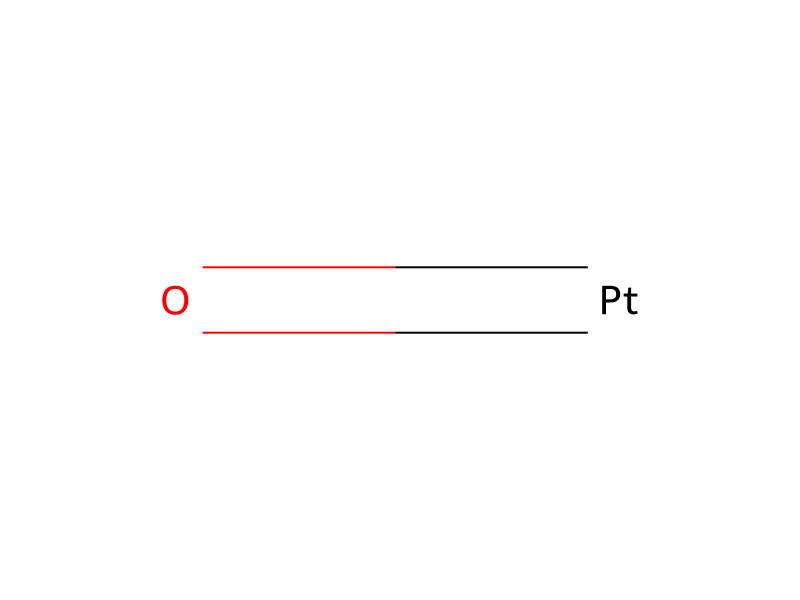
Reagents, catalysts & solvents 2

Conditions
- Temperature
- 100 °C
Procedure
4.38 (20 mmol) NG -nitro-L-arginine (Sigma Chemicals) was dissolved in 25 ml of 15% aqueous acetic acid with 0.1 gm platinum oxide. The reaction was carried out at 40 psi H2 pressure and room temperature for about 60 hours. Catalyst was removed by filtration under argon, and the filtrate was rotary evaporated under reduced pressure to an oil. The oil was repeatedly dissolved in water and evaporated under vacuum and finally dissolved in 40 ml water. Analysis indicated 55% NG -amino-L-arginine and 45% L-arginine. The solution was adjusted to pH of 9.5 with NaOH and 5 mg arginase was added (1050 IU). The resulting solution was incubated at 37° C. overnight. After this treatment the solution contained NG -amino-L-arginine and L-orthinine but no L-arginine. The arginase was denatured by heating the solution to 100° C. for 5 to 10 minutes and removed by filtration. An aqueous solution of flavianic acid (6.28 gm in 100 ml) was added until the pH was about 3.8 and precipitate began to form. The solution was chilled to 40° C. overnight to complete precipitation of the product and the precipitate was collected by filtration (about 3.0 gm). The solid was redissolved in hot water (100 ml) by dropwise addition of 1 M NaOH. Addition to that solution of HCl to pH 3.8 caused formation of crystals of NG -amino-L-arginine monoflavianic acid salt. After chilling of the solution at 4° C. for 4 hours, the yellow crystals were collected by filtration and washed sequentially with absolute ethanol and ethyl ether. The product (2.4 grams) was pure NG -amino-L-arginine monoflavianic acid salt (C16H21N7O10S requires: C=38.2%; H=4.2%; N=19.5%. Found: C=38.4%, H=4.2%; N=19.5%). The monoflavianic acid salt was suspended in 100 ml of water at 100° C. and 10 grams of Dowex 1 (OH ), a strong base ion exchange resin, was added. After stirring at 100° C. for 5 hrs the supernatant was clear and all of the yellow flavianic acid was bound to the Dowex 1 resin. The resin was removed by filtration, and the clear filtrate was dried to an oil by rotary evaporation at reduced pressure. The oil was dissolved in 50 ml of ethanol and the ethanol was evaporated at reduced pressure. Addition and removal of ethanol was repeated again, and then 50 ml of ethyl ether was similarly added and removed. The solid residue was dried under high vacuum over P2O5 for 12 hours. The yield was 1.2 grams of pure (99.9+% pure) NG -amino-L-arginine (35% yield based on starting NG -nitro-L-arginine).
Workup
- customCatalyst was removed by filtration under argon
- customthe filtrate was rotary evaporated under reduced pressure to an oil
- dissolutionThe oil was repeatedly dissolved in water
- customevaporated under vacuum
- dissolutionfinally dissolved in 40 ml water
- additionwas added (1050 IU)
- waitThe resulting solution was incubated at 37° C. overnight
- customremoved by filtration
- additionAn aqueous solution of flavianic acid (6.28 gm in 100 ml) was added until the pH was about 3.8 and precipitate
- customto form
- temperatureThe solution was chilled to 40° C. overnight
- customprecipitation of the product
- filtrationthe precipitate was collected by filtration (about 3.0 gm)
- dissolutionThe solid was redissolved in hot water (100 ml) by dropwise addition of 1 M NaOH
- additionAddition to that solution of HCl to pH 3.8
- temperatureAfter chilling of the solution at 4° C. for 4 hours
- filtrationthe yellow crystals were collected by filtration
- washwashed sequentially with absolute ethanol and ethyl ether
- customwas suspended in 100 ml of water at 100° C.
- addition10 grams of Dowex 1 (OH ), a strong base ion exchange resin, was added
- customThe resin was removed by filtration
- customthe clear filtrate was dried to an oil by rotary evaporation at reduced pressure
- dissolutionThe oil was dissolved in 50 ml of ethanol
- customthe ethanol was evaporated at reduced pressure
- additionAddition and removal of ethanol
- addition50 ml of ethyl ether was similarly added
- customremoved
- dry with materialThe solid residue was dried under high vacuum over P2O5 for 12 hours
Sources & evidence
- ORD record
- ord-33270558398a4a49b3b82926bdb6e124
- Source dataset
- uspto-grants-1991_10
- Patent number
- US05059712
Reaction notes
Loading…