Acetic Acid → HCID 18435892, compound
Reaction equation

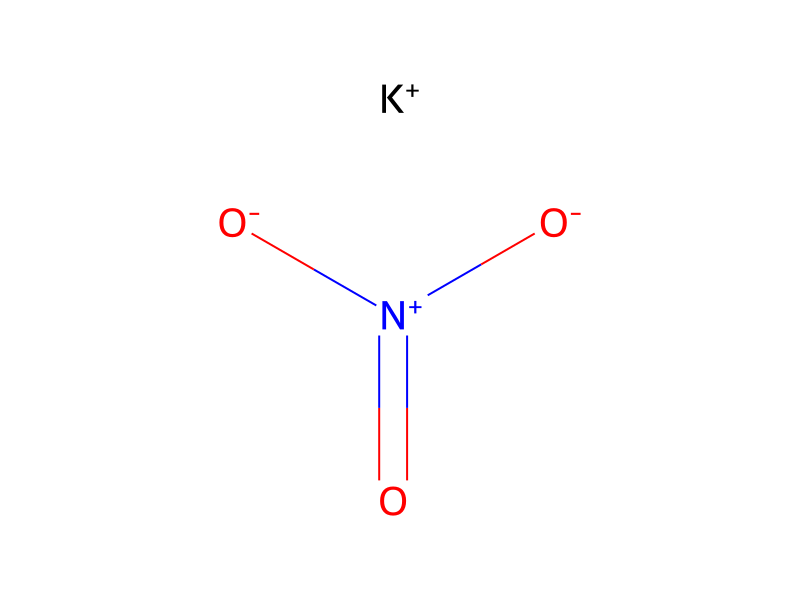
[CH3:1][C:2]1[CH:3]=[CH:4][CH:5]=[C:6]2[C:11]=1[CH:10]=[N:9][CH:8]=[CH:7]2.[N+]([O-])([O-])=O.[K+].[N+:17]([O-])(O)=O.[C:21]([OH:24])(=O)[CH3:22]>S(=O)(=O)(O)O>[CH3:1][C:2]1[CH:3]=[CH:4][C:5]([NH:17][C:21](=[O:24])[CH3:22])=[C:6]2[C:11]=1[CH:10]=[N:9][CH:8]=[CH:7]2Participants
6
Reactant 4



Product 1

Reagents, catalysts & solvents 1

Procedure
In Scheme 12, the 8-methylisoquinoline (obtained as described above) is nitrated with a suitable nitrating agent such as potassium nitrate in sulfuric acid or a mixture of nitric acid, sulfuric acid and acetic acid to yield 5-nitro-8-methylsioquinoline, which is reduced and then acetylated to give the N-(8-methyl-isoquinolin-5-yl)-acetamide. This amide may be brominated by a radical brominating agent such as N-bromosuccinimide/benzoyl peroxide to give the dibromo isoquinoline acetamide. The dibromo intermediate may then be hydrolyzed in the presence of base to yield the deprotected aldehyde aminoisoquinoline, which may be further elaborated by the chemistry illustrated in Schemes 5 and 6 to the target ureas.
Workup
- customto yield 5-nitro-8-methylsioquinoline, which
Sources & evidence
- ORD record
- ord-710ce2747b6348859277892b350d92a6
- Source dataset
- uspto-grants-2007_02
- Patent number
- US07183411B2
Reaction notes
Loading…