1,1-Dichloroethane → HCID 11692406, compound
Reaction equation

[CH3:1][C:2]1([CH2:6][O:7][C:8]2[CH:34]=[CH:33][C:11]3[N:12]([C:15]4[CH:24]=[CH:23][C:22]5[C:17](=[C:18](OS(C(F)(F)F)(=O)=O)[CH:19]=[CH:20][CH:21]=5)[N:16]=4)[CH:13]=[N:14][C:10]=3[CH:9]=2)[CH2:5][O:4][CH2:3]1.[C:35]([O:39][C:40](=[O:48])[NH:41][CH:42]1[CH2:47][CH2:46][NH:45][CH2:44][CH2:43]1)([CH3:38])([CH3:37])[CH3:36].C(=O)([O-])[O-].[Cs+].[Cs+].ClC(Cl)C>C1C=CC(/C=C/C(/C=C/C2C=CC=CC=2)=O)=CC=1.C1C=CC(/C=C/C(/C=C/C2C=CC=CC=2)=O)=CC=1.C1C=CC(/C=C/C(/C=C/C2C=CC=CC=2)=O)=CC=1.[Pd].[Pd].C1C=CC(P(C2C(C3C(P(C4C=CC=CC=4)C4C=CC=CC=4)=CC=C4C=3C=CC=C4)=C3C(C=CC=C3)=CC=2)C2C=CC=CC=2)=CC=1.C1(C)C=CC=CC=1>[C:35]([O:39][C:40](=[O:48])[NH:41][CH:42]1[CH2:47][CH2:46][N:45]([C:18]2[CH:19]=[CH:20][CH:21]=[C:22]3[C:17]=2[N:16]=[C:15]([N:12]2[C:11]4[CH:33]=[CH:34][C:8]([O:7][CH2:6][C:2]5([CH3:1])[CH2:3][O:4][CH2:5]5)=[CH:9][C:10]=4[N:14]=[CH:13]2)[CH:24]=[CH:23]3)[CH2:44][CH2:43]1)([CH3:38])([CH3:36])[CH3:37]Participants
Reactant 4




Product 1

Reagents, catalysts & solvents 3


Conditions
- Temperature
- 85 °C
Procedure
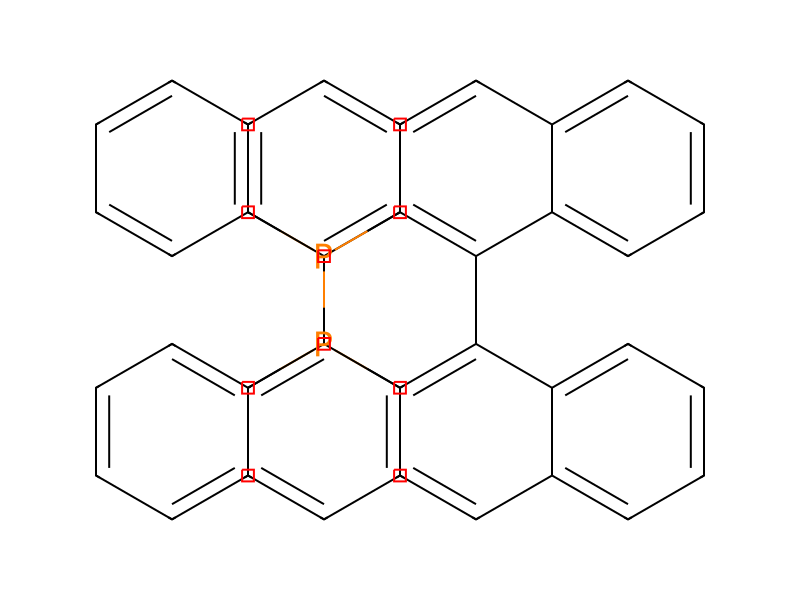
BINAP (379 mg, 608 μmol, 0.06 equivalents), tris(dibenzylideneacetone)dipalladium (186 mg, 203 μmol, 0.02 equivalents) and toluene (35 mL, 7 volumes) were added to a 100 mL round bottom flask. The solution was deoxygenated and stirred at 20–25° C. for ˜30 minutes. Next, trifluoro-methanesulfonic acid 2-[5-(3-methyl-oxetan-3-ylmethoxy)-benzoimidazol-1-yl]-quinolin-8-yl ester (5 g, 10.1 mmol, 1 equivalent), piperidin-4-yl-carbamic acid tert-butyl ester (4.06 g, 20.3 mmol, 2.0 equivalents), and cesium carbonate (4.62 g, 14.2 mmol, 1.3 equivalents) were charged. The reaction was again deoxygenated and then heated to 85° C. for 24–32 hours. At reaction completion, the reaction was cooled to 30° C. and dichloroethane (5 volumes) and Celite (0.5 wt. equivalent) were added. The slurry was filtered through a pad of Celite and rinsed with dichloroethane (5 volumes). The mother liquor was then concentrated to low volume and ethyl acetate (75 mL, 15 volumes) was charged. The thin slurry was granulated at 20–25° C. for 8–15 h and then filtered. The mother liquor was collected and washed with a 2.5% NaH2PO4 solution (3×9 volumes). The organics were again concentrated to low volume and acetonitrile (25 mL, 5 volumes) was charged. The slurry was granulated for 10–20 hours, and then the solids were filtered and dried under vacuum at 40° C. with a slight nitrogen bleed to yield 4.33 g (1-{2-[5-(3-Methyl-oxetan-3-ylmethoxy)-benzoimidazol-1-yl]-quinolin-8-yl}-piperidin-4-yl)-carbamic acid tert-butyl ester as a yellow solid. (79% yield).
Workup
- customThe solution was deoxygenated
- customThe reaction was again deoxygenated
- customAt reaction completion
- temperaturethe reaction was cooled to 30° C.
- filtrationThe slurry was filtered through a pad of Celite
- washrinsed with dichloroethane (5 volumes)
- concentrationThe mother liquor was then concentrated to low volume and ethyl acetate (75 mL, 15 volumes)
- additionwas charged
- waitThe thin slurry was granulated at 20–25° C. for 8–15 h
- filtrationfiltered
- customThe mother liquor was collected
- washwashed with a 2.5% NaH2PO4 solution (3×9 volumes)
- concentrationThe organics were again concentrated to low volume and acetonitrile (25 mL, 5 volumes)
- additionwas charged
- waitThe slurry was granulated for 10–20 hours
- filtrationthe solids were filtered
- customdried under vacuum at 40° C. with a slight nitrogen
Sources & evidence
- ORD record
- ord-363d52142be2483d8fd30063af76c303
- Source dataset
- uspto-grants-2007_02
- Patent number
- US07183414B2
Reaction notes
Loading…