Sodium Hypochlorite → HCID 131715694, compound
Reaction equation

[CH3:1][C:2]([CH2:4][C:5]([OH:8])([CH3:7])[CH3:6])=[O:3].[OH:9][CH2:10][C:11]([C@H:13]([C@@H:15]([C@H:17]([CH2:19][OH:20])[OH:18])[OH:16])[OH:14])=[O:12].Cl[O-].[Na+]>[Ni](Cl)Cl>[CH3:1][C:2]([CH2:4][C:5]([OH:8])([CH3:7])[CH3:6])=[O:3].[CH2:19]([OH:20])[C@H:17]([OH:18])[C@@H:15]([OH:16])[C@H:13]([OH:14])[C:11]([C:10]([OH:3])=[O:9])=[O:12]Participants
4
Reactant 2
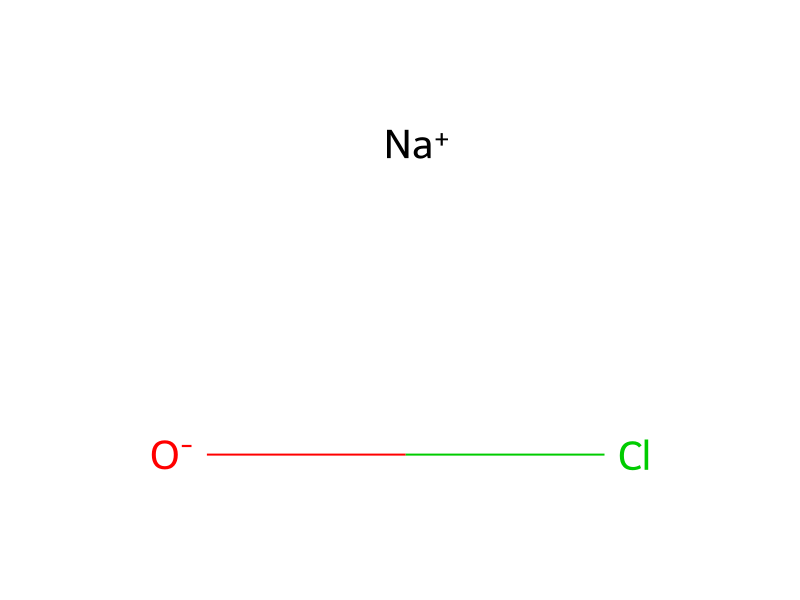

Product 1

Reagents, catalysts & solvents 1

Procedure
Two 500 ml-capacity reaction vessels were kept at a reduced pressure of 240 Torr. To the first reaction vessel were fed a 33.3% by weight of an aqueous solution of diacetone-L-sorbose at a rate of 150 g/hour, and a 5% by weight of an aqueous solution of nickel chloride at a rate of 3 ml/hour, and a 12.5% by weight aqueous solution of sodium hypochlorite at a rate as shown in Table 2, with a constant volume pump. The reaction mixture boiled at a temperature of 70° C. After 6 hours from the start of feeding of the reactants, the effluent from the second reaction vessel was sampled for 1 hour, and was worked up in the same manner as in Example 1, to provide diacetone-2-keto-L-gulonic acid.
Workup
- customboiled at a temperature of 70° C
- aliquotthe effluent from the second reaction vessel was sampled for 1 hour
Sources & evidence
- ORD record
- ord-3627dfa5d8b94e2caa2d0f79fa865c99
- Source dataset
- uspto-grants-1988_08
- Patent number
- US04766208
Reaction notes
Loading…