Acetone → 1,2-Bis-(2-hydroxyethyl)-4-stearyl-1,2,4-triazolidine-3,5-dione
Reaction equation

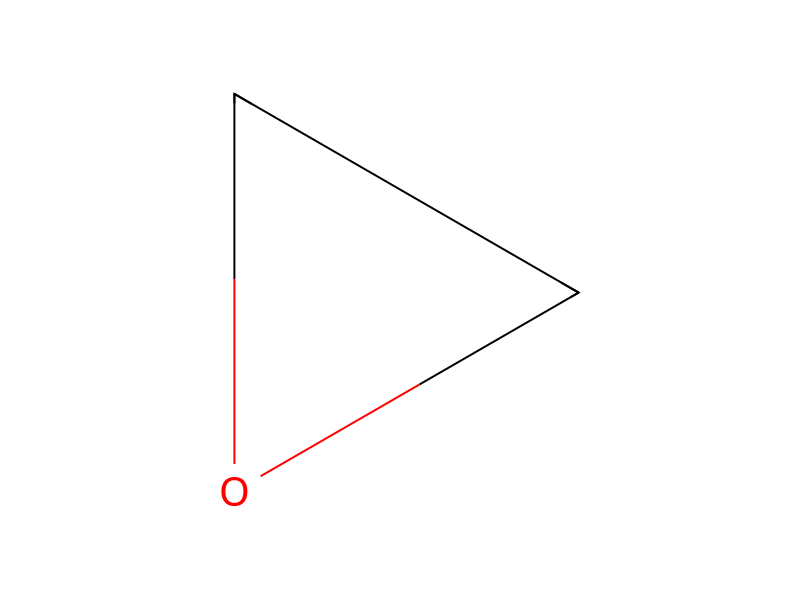
[CH2:1]1[O:3][CH2:2]1.[CH2:4]([N:22]1[C:26](=[O:27])[NH:25][NH:24][C:23]1=[O:28])[CH2:5][CH2:6][CH2:7][CH2:8][CH2:9][CH2:10][CH2:11][CH2:12][CH2:13][CH2:14][CH2:15][CH2:16][CH2:17][CH2:18][CH2:19][CH2:20][CH3:21].[CH3:29][C:30](C)=[O:31]>>[OH:31][CH2:30][CH2:29][N:25]1[C:26](=[O:27])[N:22]([CH2:4][CH2:5][CH2:6][CH2:7][CH2:8][CH2:9][CH2:10][CH2:11][CH2:12][CH2:13][CH2:14][CH2:15][CH2:16][CH2:17][CH2:18][CH2:19][CH2:20][CH3:21])[C:23](=[O:28])[N:24]1[CH2:2][CH2:1][OH:3]Participants
4



Procedure
132 g of ethylene oxide are introduced into a melt of 530 g of 4-stearyl-1,2,4-triazolidine-3,5-dione (starting material 3) over a period of 6 hours at 120° C. in such a way that no ethylene oxide escapes. The reaction mixture is cooled and subsequently dissolved in 2.5 liters of acetone. A deposit precipitates on cooling and is isolated by filtration under suction and washed with acetone, giving 575 g of 1,2-bis-(2-hydroxyethyl)-4-stearyl-1,2,4-triazolidine-3,5-dione in the form of colourless crystals melting at 68° to 79° C.
Workup
- temperatureThe reaction mixture is cooled
- customA deposit precipitates
- temperatureon cooling
- customis isolated by filtration under suction
- washwashed with acetone
Sources & evidence
- ORD record
- ord-bdbd5055a41d469aa4a93e1e86dc1b9f
- Source dataset
- uspto-grants-1983_03
- Patent number
- US04377694
Reaction notes
Loading…