Ammonia → HCID 20065654, compound
Reaction equation

[Cl:1][C:2]1[CH:7]=[CH:6][C:5]([N:8]2[CH2:13][CH2:12][N:11]([CH2:14][CH2:15][CH2:16][N:17]3[CH:25]([OH:26])[C:24]4[C:19](=[CH:20][CH:21]=[CH:22][CH:23]=4)[C:18]3=[O:27])[CH2:10][CH2:9]2)=[CH:4][CH:3]=1.S(=O)(=O)(O)O.N.[C:34]([OH:39])(=[O:38])[C:35]([OH:37])=[O:36]>CO.C(Cl)Cl.C(#N)C>[C:34]([OH:39])(=[O:38])[C:35]([OH:37])=[O:36].[CH3:34][O:27][CH:18]1[C:19]2[C:24](=[CH:23][CH:22]=[CH:21][CH:20]=2)[C:25](=[O:26])[N:17]1[CH2:16][CH2:15][CH2:14][N:11]1[CH2:10][CH2:9][N:8]([C:5]2[CH:6]=[CH:7][C:2]([Cl:1])=[CH:3][CH:4]=2)[CH2:13][CH2:12]1Participants

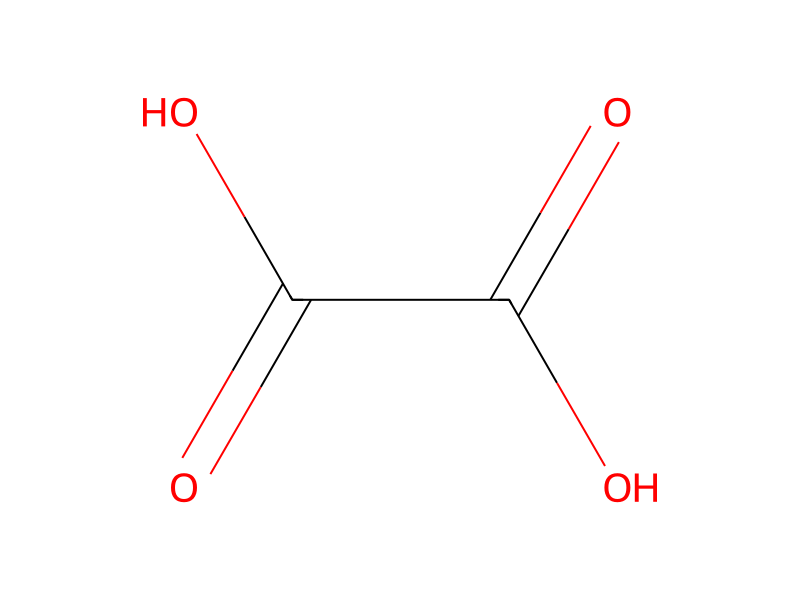






Procedure
The same procedure is followed as in Example 2, but starting from an agitated solution of 2-[3-(4-(4-chlorophenyl)-1-piperazinyl)propyl-3-hydroxy-1-isoindolinone (4.8 g) in methanol (115 cc) to which 22.6 cc of concentrated sulphuric acid is added at a temperature close to 20° C. and in the course of 10 minutes. Agitation is continued for 5 hours at a temperature close to 65° C. After cooling the solution to a temperature close to 0° C., 55 cc of a 33% aqueous solution of ammonia is added in the course of 1 hour. The precipitate formed is filtered and washed with methanol (50 cc). The filtrate is diluted with distilled water (200 cc) and 33% aqueous solution of ammonia (50cc), and extracted with methylene chloride (3×200 cc). The organic extracts are combined, dried over anhydrous magnesium sulphate, filtered and concentrated to dryness under reduced pressure (20 mm Hg; 2.7 kPa) at 40° C. The residue obtained is dissolved in methylene chloride (20 cc) and the solution is poured onto silica (500 g) contained in a column of 8 cm diameter. Elution is carried out with a mixture of methylene chloride and methanol (98.5-1.5 by volume). The first 100 cc are eliminated and the next 630 cc are evaporated to dryness under reduced pressure (20 mm Hg; 2.7 kPa) at 50° C. The residue obtained is dissolved in acetonitrile (30 cc). A solution of oxalic acid (0.63 g) in acetonitrile (15 cc) is added and agitation is continued for 1 hour at a temperature close to 20° C. The precipitate formed is separated by filtration. 2.9 g of 3-methoxy-2-[3-(4-(4-chlorophenyl)-1-piperazinyl)propyl]-1-isoindolinone oxalate are thus obtained, melting at 200° C.
Workup
- additionis added at a temperature
- customclose to 20° C. and in the course of 10 minutes
- customclose to 65° C
- temperatureAfter cooling the solution to a temperature
- customclose to 0° C.
- customThe precipitate formed
- filtrationis filtered
- washwashed with methanol (50 cc)
- additionThe filtrate is diluted with distilled water (200 cc) and 33% aqueous solution of ammonia (50cc)
- extractionextracted with methylene chloride (3×200 cc)
- dry with materialdried over anhydrous magnesium sulphate
- filtrationfiltered
- concentrationconcentrated to dryness under reduced pressure (20 mm Hg; 2.7 kPa) at 40° C
- customThe residue obtained
- additionthe solution is poured onto silica (500 g)
- washElution
- additionis carried out with a mixture of methylene chloride and methanol (98.5-1.5 by volume)
- customthe next 630 cc are evaporated to dryness under reduced pressure (20 mm Hg; 2.7 kPa) at 50° C
- customThe residue obtained
- waitagitation is continued for 1 hour at a temperature
- customclose to 20° C
- customThe precipitate formed
- customis separated by filtration
Sources & evidence
- ORD record
- ord-f5eb84406c4f4fc79ad1363a7779b24b
- Source dataset
- uspto-grants-1991_03
- Patent number
- US04999355
Reaction notes
Loading…