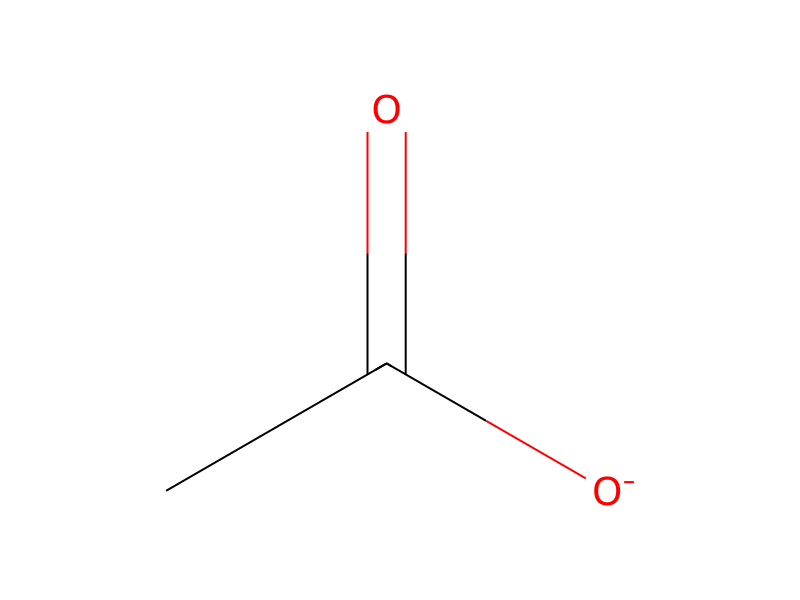
Acetate → HCID 18794798, compound
Reaction equation

[C:1]([O-])(=[O:3])[CH3:2].[O:5]1[C:9]2[CH:10]=[CH:11][CH:12]=[CH:13][C:8]=2[N:7]=[C:6]1[N:14]([CH2:16][CH2:17][O:18][C:19]1[CH:24]=[CH:23][C:22]([CH2:25][C:26](=[N+]=[N-])[C:27]([O:29][CH3:30])=[O:28])=[CH:21][CH:20]=1)[CH3:15].C(O)C>C1C=CC=CC=1>[O:5]1[C:9]2[CH:10]=[CH:11][CH:12]=[CH:13][C:8]=2[N:7]=[C:6]1[N:14]([CH2:16][CH2:17][O:18][C:19]1[CH:20]=[CH:21][C:22]([CH2:25][CH:26]([O:3][CH2:1][CH3:2])[C:27]([O:29][CH3:30])=[O:28])=[CH:23][CH:24]=1)[CH3:15]Participants
5
Reactant 3


Product 1

Reagents, catalysts & solvents 1

Procedure
Rodium (II) acetate dimer (33 mg) was added to a mixture of methyl 3-[4-[2- [N-(2-benzoxazolyl)-N-methylamino]ethoxy]phenyl]-2-diazopropanoate (2.80 g), ethanol (2.16 mL) and benzene (50 mL). The mixture was stirred at room temperature under a nitrogen atmosphere for 15 minutes, heated at reflux for a further 15 minutes, then cooled and evaporated in vacuo. The residue was chromotographed on silica gel using 1.5% methanol in dichloromethane as eluent to afford the title compound as a gum. 1H NMRδ(CDCl3) 1.14 (3H,t); 2.93 (2H,app d); 3.31 (1H,complex); 3.32 (3H,s); 3.57 (1H,complex); 3.69 (3H,s); 3.93 (3H,complex); 4.23 (2H,t);6.79 (2H,d); 7.00 (1H,t); 7.14 (3H,complex); 7.25 (1H,d); and 7.36 (1H,d).
Workup
- temperatureheated
- temperatureat reflux for a further 15 minutes
- temperaturecooled
- customevaporated in vacuo
Sources & evidence
- ORD record
- ord-f454febbcfac403ebef0e5ec0e7b2985
- Source dataset
- uspto-grants-1999_02
- Patent number
- US05869495
Reaction notes
Loading…