Chloroacetyl chloride → 1-(5-Bromo-2-hydroxyphenyl)-2-chloroethanone
Reaction equation

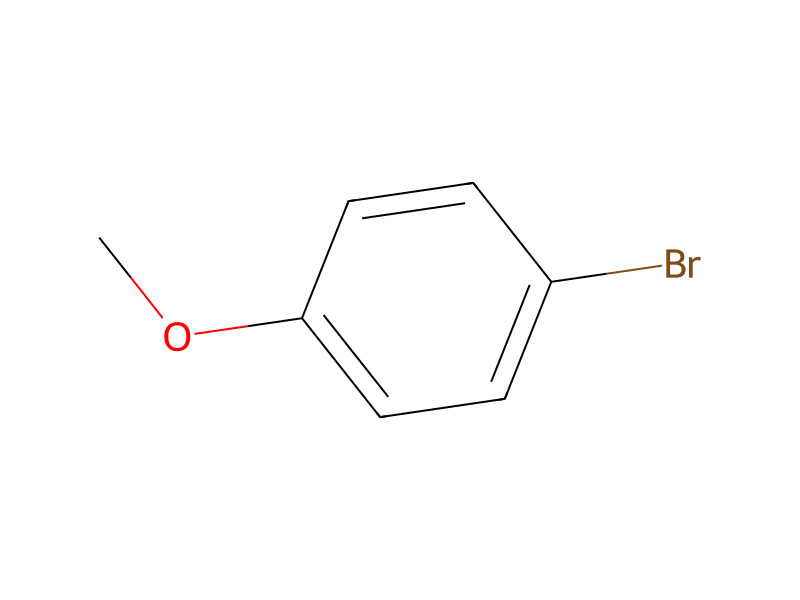
[Br:1][C:2]1[CH:7]=[CH:6][C:5]([O:8]C)=[CH:4][CH:3]=1.[Cl:10][CH2:11][C:12](Cl)=[O:13].[Cl-].[Al+3].[Cl-].[Cl-]>ClCCl>[Br:1][C:2]1[CH:3]=[CH:4][C:5]([OH:8])=[C:6]([C:12](=[O:13])[CH2:11][Cl:10])[CH:7]=1Participants
Reactant 3


Product 1

Reagents, catalysts & solvents 1

Procedure
To a solution of 4-bromoanisole (17.4 ml, 138 mmol) in dichloromethane (150 ml) was added chloroacetyl chloride (32 ml, 400 mmol) followed by aluminium chloride (60 g, 450 mmol) keeping the temperature below 30° C. The yellow solution was heated to reflux for 8 hours, cooled down to ambient temperature, then ice water was added very carefully. The organic layer was separated and the aqueous extracted once with dichloromethane. The combined organics were dried (sodium sulphate) then evaporated to give an oil which was purified by crystallisation from hexane. The title compound was obtained as a yellow solid (18 g, 52%). mp 80-82° C. 1H NMR (250 MHz, CDCl3) δ 4.69 (2H, s), 6.95 (1H, d, J=9 Hz), 7.60 (1H, dd, J=1 and 9 Hz), 7.80 (1H, d, J=2 Hz), 11.59 (1H, s).
Workup
- customthe temperature below 30° C
- temperatureThe yellow solution was heated
- temperatureto reflux for 8 hours
- customThe organic layer was separated
- extractionthe aqueous extracted once with dichloromethane
- dry with materialThe combined organics were dried (sodium sulphate)
- customthen evaporated
- customto give an oil which
- customwas purified by crystallisation from hexane
Sources & evidence
- ORD record
- ord-69900060a42d49158d55a9a37ab02834
- Source dataset
- uspto-grants-2000_10
- Patent number
- US06127388
Reaction notes
Loading…