Pyridine → HCID 23284753, compound
Reaction equation
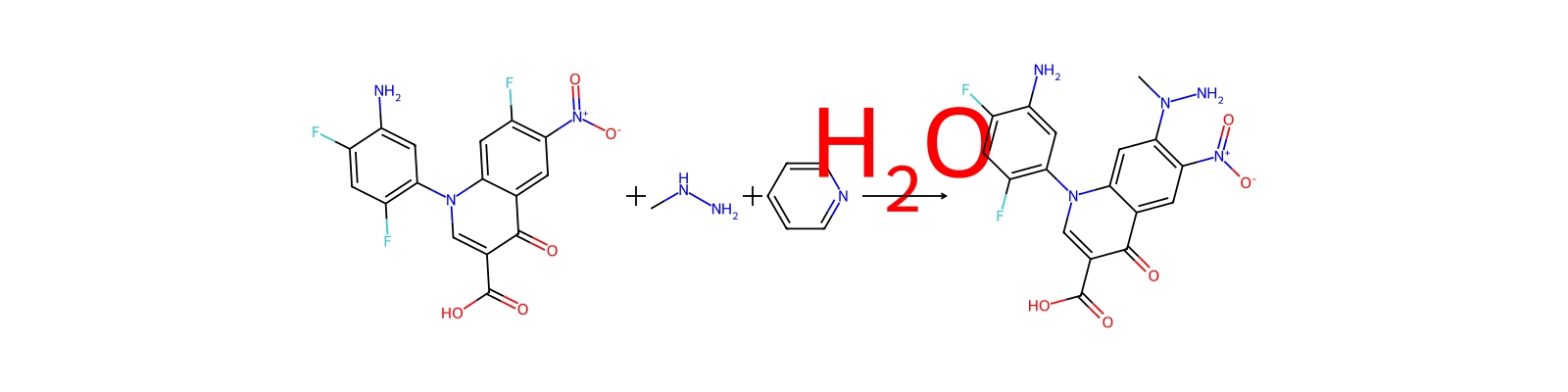
[NH2:1][C:2]1[C:3]([F:27])=[CH:4][C:5]([F:26])=[C:6]([N:8]2[C:17]3[C:12](=[CH:13][C:14]([N+:19]([O-:21])=[O:20])=[C:15](F)[CH:16]=3)[C:11](=[O:22])[C:10]([C:23]([OH:25])=[O:24])=[CH:9]2)[CH:7]=1.[CH3:28][NH:29][NH2:30].N1C=CC=CC=1>O>[NH2:1][C:2]1[C:3]([F:27])=[CH:4][C:5]([F:26])=[C:6]([N:8]2[C:17]3[C:12](=[CH:13][C:14]([N+:19]([O-:21])=[O:20])=[C:15]([N:29]([CH3:28])[NH2:30])[CH:16]=3)[C:11](=[O:22])[C:10]([C:23]([OH:25])=[O:24])=[CH:9]2)[CH:7]=1Participants
5
Reactant 3


Product 1

Reagents, catalysts & solvents 1

Procedure
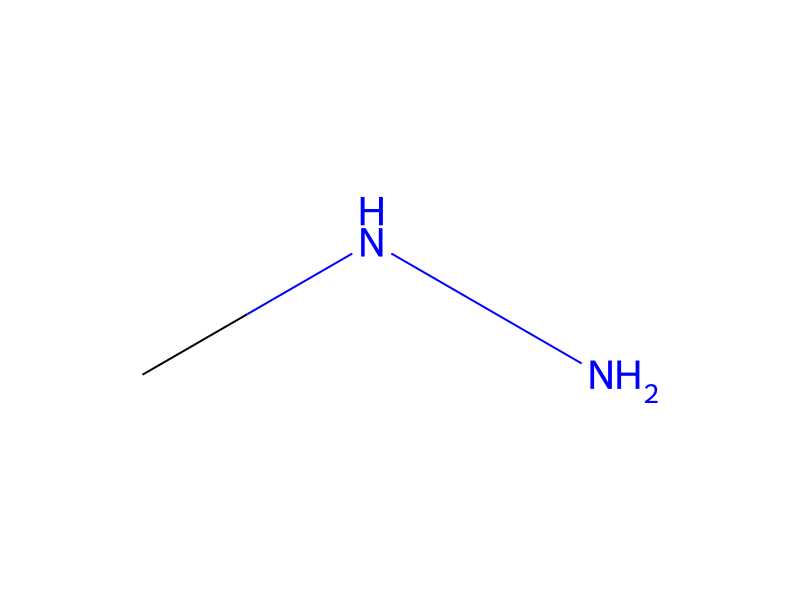
1-(5-Amino-2,4-difluorophenyl)-7-fluoro-6-nitro-4-oxo-1,4-dihydroquinoline-3-carboxylic acid (60 mg) was added to a mixed liquid of methylhydrazine (32 mg) and pyridine (0.5 ml), and the mixture was stirred at room temperature for 3 hours. Water (5 ml) was added. At this time, the pH of the reaction mixture was about 5. Solids formed were collected by filtration and subjected to azeotropic distillation with ethanol and toluene. Hexane was added to the resultant residue to conduct filtration, thereby obtaining the title compound (60 mg) as a brown powder.
Workup
- customSolids formed
- filtrationwere collected by filtration
- distillationsubjected to azeotropic distillation with ethanol and toluene
- additionHexane was added to the resultant residue
- filtrationfiltration
Sources & evidence
- ORD record
- ord-eeb6f6d67aa5491e9e3330b2ae047852
- Source dataset
- uspto-grants-2000_10
- Patent number
- US06136823
Reaction notes
Loading…