Glycerol → Ethylene Oxide
Reaction equation

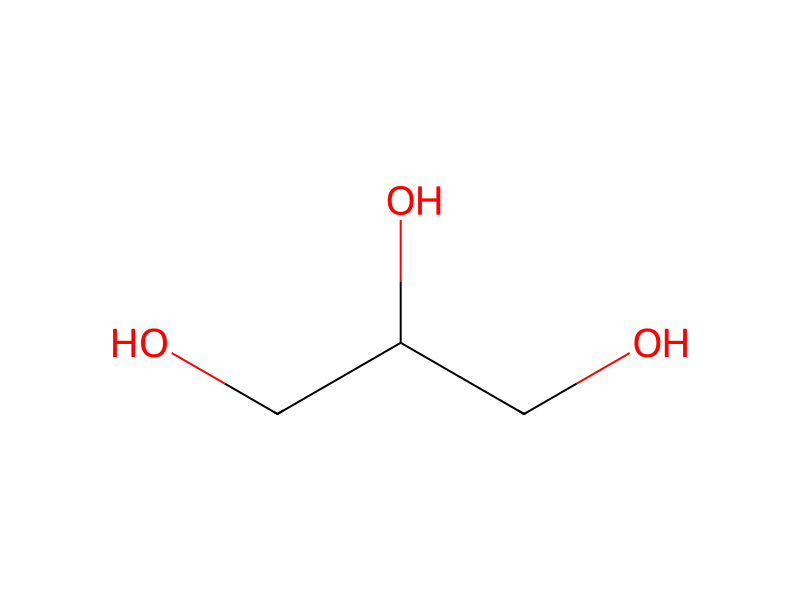
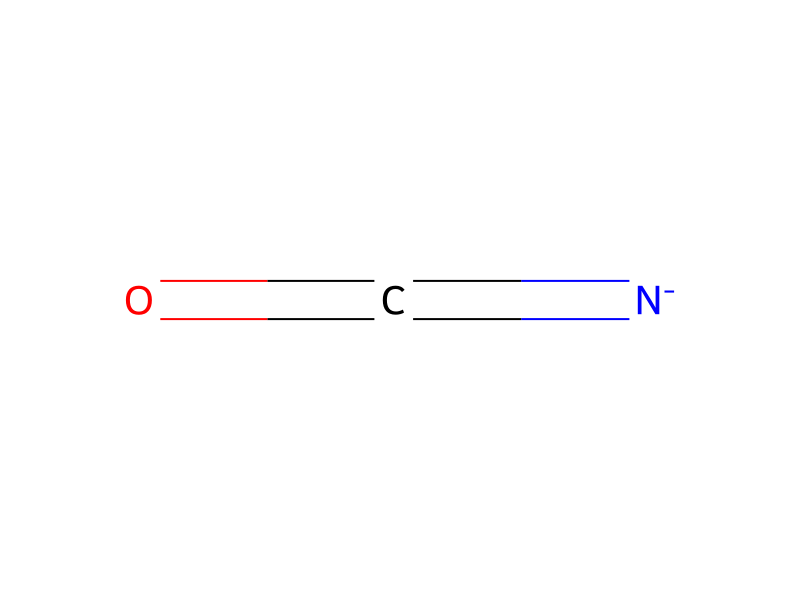
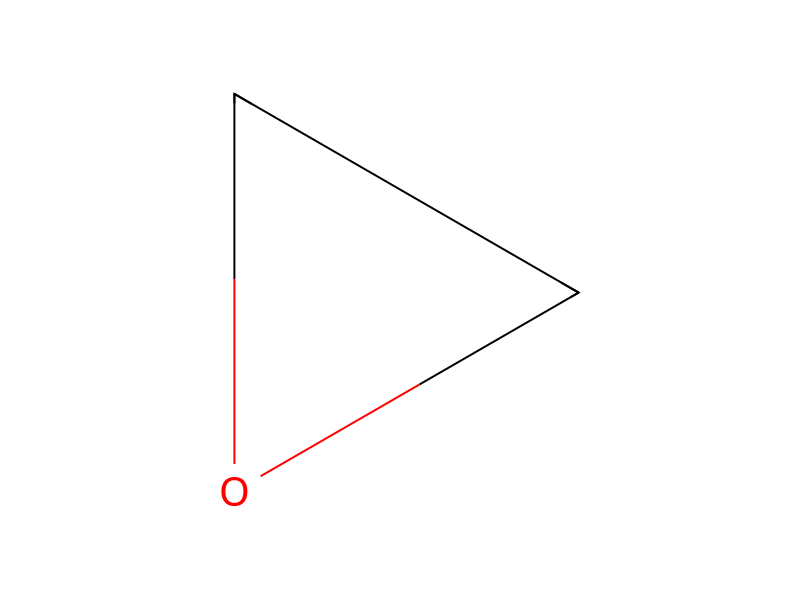
[N-:1]=[C:2]=[O:3].O[CH2:5][CH:6]([CH2:8][OH:9])O>>[N-:1]=[C:2]=[O:3].[CH2:8]1[O:9][CH:6]1[CH3:5].[CH2:8]1[O:9][CH2:6]1Participants

Procedure
The organic polyisocyanate H (NCO content=28.1%) in the form of a prepolymer was prepared in a manner similar to that in the preparation of the organic polyisocyanate B, except that 16.0 parts of an isocyanate-modifying polyether polyol (functionality of the starting material=3; hydroxyl equivalent=1700; and EO content=95%) was reacted with polymethylene polyphenylisocyanate, which isocyanate-modifying polyether polyol was obtained by addition polymerization of propylene oxide and ethylene oxide as alkylene oxide to glycerin as a starting material. The thus obtained organic polyisocyanate H was deposited after it was left at the room temperature for two hours, so that this organic polyisocyanate H could not be used for forming the soft polyurethane foam described below.
Workup
- customand EO content=95%) was reacted with polymethylene polyphenylisocyanate
Sources & evidence
- ORD record
- ord-a29379f9246146e7b942aa7f839f8d89
- Source dataset
- uspto-grants-2000_10
- Patent number
- US06136879
Reaction notes
Loading…