Ammonium Chloride → 2-(4-Nitrophenoxy)-1-methylethanol
Reaction equation

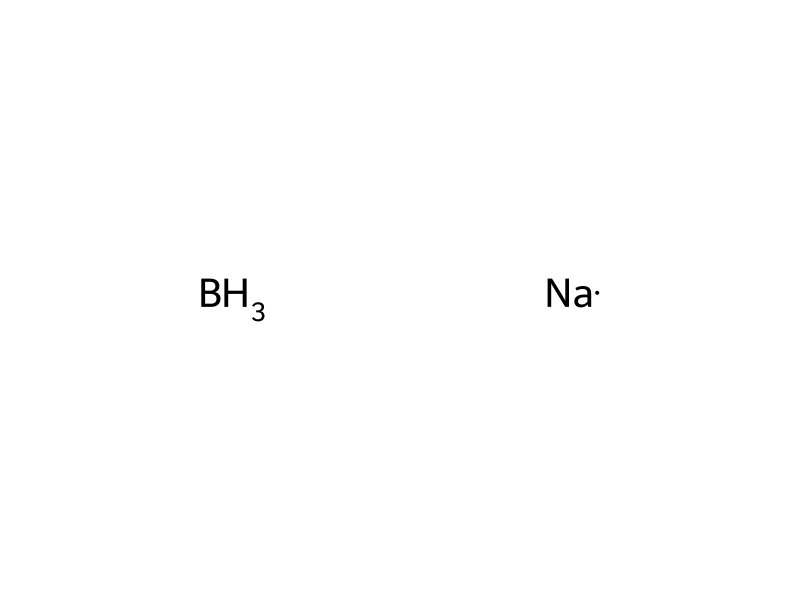
[N+:1]([C:4]1[CH:14]=[CH:13][C:7]([O:8][CH2:9][C:10](=[O:12])[CH3:11])=[CH:6][CH:5]=1)([O-:3])=[O:2].B.[Na].[Cl-].[NH4+]>C(O)C>[N+:1]([C:4]1[CH:14]=[CH:13][C:7]([O:8][CH2:9][CH:10]([CH3:11])[OH:12])=[CH:6][CH:5]=1)([O-:3])=[O:2]Participants
Reactant 3


Product 1

Reagents, catalysts & solvents 1

Procedure
43.5 g of 4-nitrophenoxyacetone crystals were dissolved in 300 ml of ethanol, added portionwise with small amount of sodium boron hydride up to 4.1 g with stirring at room temperature, and stirred thereafter at room temperature for 2 hr. After adding 10 ml of saturated aqueous solution of ammonium chloride under an ice-cold condition in order to decompose the residual sodium borohydride, extraction was carried out with ethyl acetate. The ethyl acetate layer was washed consecutively with water, 3% hydrochloric acid, 5% aqueous solution of sodium hydrogen carbonate, water and saturated saline and subsequently dried with anhydrous sodium sulfate. The solvent was concentrated under reduced pressure and yielded 46.3 g of 2-(4-nitrophenoxy)-1-methylethanol.
Workup
- stirringstirred
- extractionthe residual sodium borohydride, extraction
- washThe ethyl acetate layer was washed consecutively with water, 3% hydrochloric acid, 5% aqueous solution of sodium hydrogen carbonate, water and saturated saline
- dry with materialsubsequently dried with anhydrous sodium sulfate
- concentrationThe solvent was concentrated under reduced pressure
Sources & evidence
- ORD record
- ord-54996711506a40599ea6ad8a38531bb9
- Source dataset
- uspto-grants-1985_07
- Patent number
- US04526893
Reaction notes
Loading…