Heptylbenzene → HCID 23513081, compound
Reaction equation

O.[C:2]1([C:8]([CH:10]=[O:11])=[O:9])[CH:7]=[CH:6][CH:5]=[CH:4][CH:3]=1.[CH2:12]([C:19]1[CH:24]=[CH:23][CH:22]=[CH:21][CH:20]=1)[CH2:13][CH2:14][CH2:15][CH2:16][CH2:17][CH3:18]>ClC(Cl)C.[Ti](Cl)(Cl)(Cl)Cl>[CH2:12]([C:19]1[CH:20]=[CH:21][C:22]([CH:10]([OH:11])[C:8](=[O:9])[C:2]2[CH:7]=[CH:6][CH:5]=[CH:4][CH:3]=2)=[CH:23][CH:24]=1)[CH2:13][CH2:14][CH2:15][CH2:16][CH2:17][CH3:18]Participants
5
Reactant 2

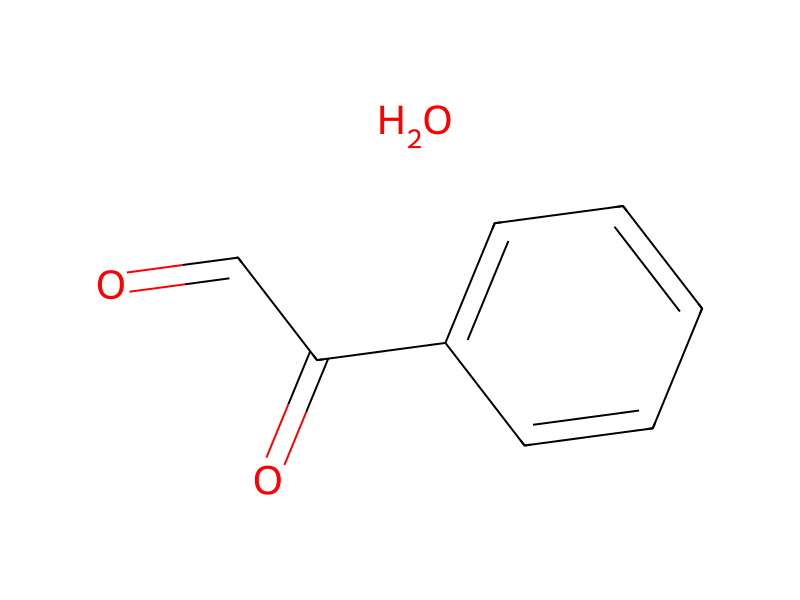
Product 1

Reagents, catalysts & solvents 2


Procedure
Phenylglyoxal monohydrate (304 mg, 2 mM) and n-heptylbenzene (0.82 ml, 4 mM) were dissolved in dichloroethane (3 ml), titanium tetrachloride (0.33 ml, 3 mM) was added, and reacted at room temperature for 1 hour. Using the same procedure as in Example 1, 4'-n-heptylbenzoin was obtained as crystal (386.7 mg, 61.5% yield).
Workup
- customreacted at room temperature for 1 hour
Sources & evidence
- ORD record
- ord-756f6b0700814a8fbaa646e38353bc62
- Source dataset
- uspto-grants-1996_01
- Patent number
- US05484689
Reaction notes
Loading…