P-Xylene → HCID 18994047, compound
Reaction equation

O.[C:2]1([C:8]([CH:10]=[O:11])=[O:9])[CH:7]=[CH:6][CH:5]=[CH:4][CH:3]=1.[CH3:12][C:13]1[CH:14]=[CH:15][C:16]([CH3:19])=[CH:17][CH:18]=1>ClC(Cl)C.[Ti](Cl)(Cl)(Cl)Cl>[CH3:12][C:13]1[CH:14]=[CH:15][C:16]([CH3:19])=[CH:17][C:18]=1[CH:10]([OH:11])[C:8](=[O:9])[C:2]1[CH:7]=[CH:6][CH:5]=[CH:4][CH:3]=1Participants
5
Reactant 2

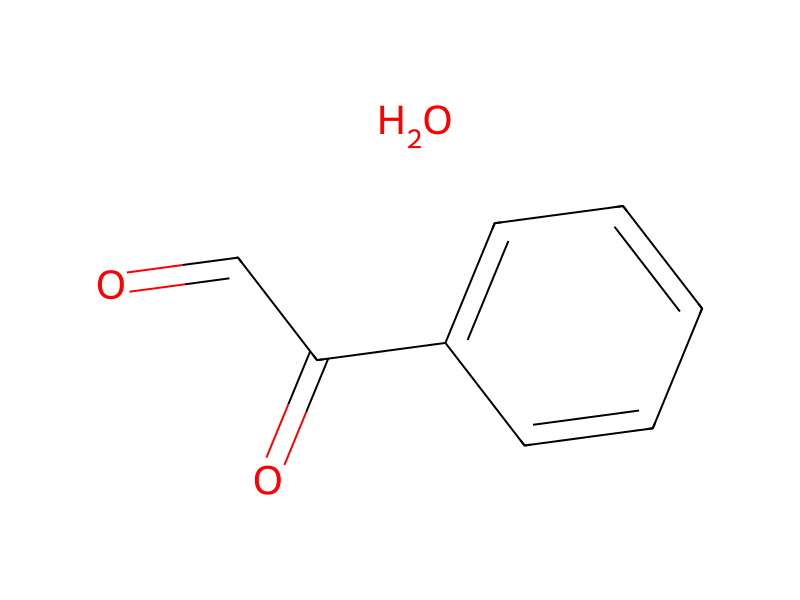
Product 1

Reagents, catalysts & solvents 2


Procedure
Phenylglyoxal monohydrate (500 mg, 3.29 mM) and p-xylene (0.56 ml, 4.79 mM) were dissolved in dichloroethane (5 ml), titanium tetrachloride (0.9 ml, 8.2 mM) was added, and reacted at room temperature for 30 minutes. Using the same procedure as in Example 1, 2',5'-dimethylbenzoin was obtained as crystal (587.7 mg, 73.9% yield).
Workup
- customreacted at room temperature for 30 minutes
Sources & evidence
- ORD record
- ord-235b17a21ecf454d9b2b65049468ef13
- Source dataset
- uspto-grants-1996_01
- Patent number
- US05484689
Reaction notes
Loading…