Acetic Anhydride → HCID 18993030, compound
Reaction equation

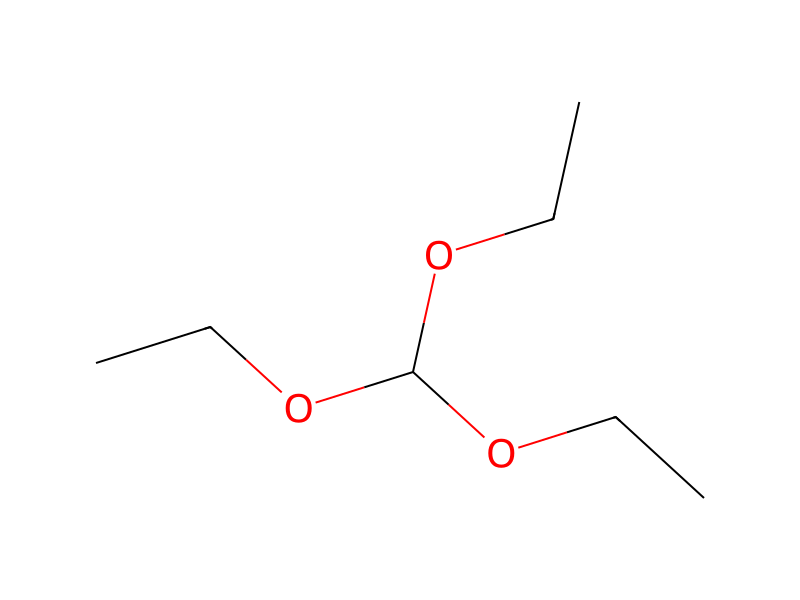
[NH2:1][C:2]1[O:3][CH:4]=[C:5]([CH3:9])[C:6]=1[C:7]#[N:8].[CH2:10](OC(OCC)OCC)C.C(OC(=O)C)(=O)C.[Cl:27][C:28]1[CH:33]=[CH:32][C:31]([CH2:34][CH2:35][NH2:36])=[CH:30][CH:29]=1.C([O-])(=O)C.[Na+]>O.C(O)(=O)C>[CH3:9][C:5]1[C:6]2[C:7]([NH:36][CH2:35][CH2:34][C:31]3[CH:32]=[CH:33][C:28]([Cl:27])=[CH:29][CH:30]=3)=[N:8][CH:10]=[N:1][C:2]=2[O:3][CH:4]=1Participants
8





Conditions
- Temperature
- 135 °C
Procedure
A mixture of 4.0 g of 2-amino-3-cyano-4-methylfuran, 3 cc of triethylorthoformate, and 0.05 cc of acetic anhydride was heated to 135° C. for three hours. Then 5 g of 2-(4-chlorophenyl)ethylamine, 5 cc of glacial acetic acid, and 3.2 g of sodium acetate were added to the reaction mixture. The temperature of the mixture was maintained at 135° C. for three additional hours, after which the mixture was cooled, treated with water and extracted with dichloromethane. The organic phase was then concentrated and washed with water. The solids were extracted from the organic phase with large volumes of ether, which were combined and concentrated to provide 1.07 g of product. M. P. 140° C.
Workup
- temperatureThe temperature of the mixture was maintained at 135° C. for three additional hours
- temperatureafter which the mixture was cooled
- extractionextracted with dichloromethane
- concentrationThe organic phase was then concentrated
- washwashed with water
- extractionThe solids were extracted from the organic phase with large volumes of ether, which
- concentrationconcentrated
Sources & evidence
- ORD record
- ord-f43d2e5d48eb4f919148ad48efc34c84
- Source dataset
- uspto-grants-1996_01
- Patent number
- US05486516
Reaction notes
Loading…