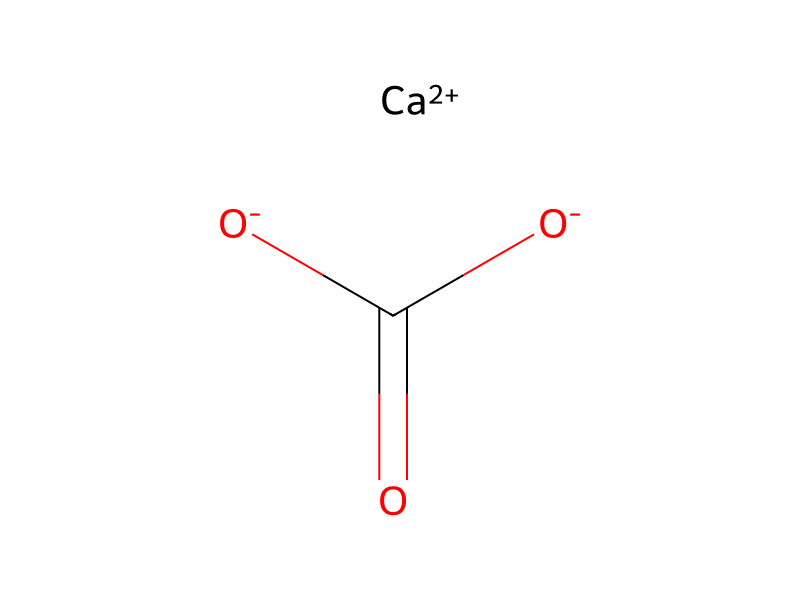
Calcium Carbonate → 3,4-Difluorobenzaldehyde
Reaction equation

[F:1][C:2]1[CH:3]=[C:4]([CH3:9])[CH:5]=[CH:6][C:7]=1[F:8].BrBr.C(=O)([O-])[O-:13].[Ca+2]>O>[F:1][C:2]1[CH:3]=[C:4]([CH:5]=[CH:6][C:7]=1[F:8])[CH:9]=[O:13]Participants
Reactant 3


Product 1

Reagents, catalysts & solvents 1

Conditions
- Temperature
- 150 °C
Procedure
3,4-difluorotoluene (25.6 g, 0.2 mol) is heated to 105° C. in a 250 ml 3-necked flask equipped with a magnetic stirrer, thermometer, condenser, and dropping funnel, and is illuminated as bromine (67 g, 0.42 mol) is added slowly. The temperature is kept between 105-110° C. while the first half of the bromine is added over a period of one hour. The rest of the bromine is added over approximately a two-hour period, and the temperature is raised to 150° C., and is kept there for 5 minutes. The reaction mixture is cooled and is transferred to a 1 liter 3-necked flask with a motor-driven stirrer and condenser. H2O (120 ml) and calcium carbonate (90 g) are added, and the mixture is refluxed for 20 hours with good stirring. The reaction mixture is steam distilled until no further oil is collected. The oil is taken up in methylene chloride and dried over MgSO4. Evaporation of the solvent yields 3,4-difluorobenzaldehyde that is used without further purification.
Workup
- customequipped with a magnetic stirrer
- customthermometer, condenser, and dropping
- additionis added slowly
- additionis added over a period of one hour
- temperatureThe reaction mixture is cooled
- customis transferred to a 1 liter 3-necked flask with a motor-driven stirrer and condenser
- temperaturethe mixture is refluxed for 20 hours with good stirring
- distillationdistilled until no further oil
- customis collected
- dry with materialdried over MgSO4
- customEvaporation of the solvent
Sources & evidence
- ORD record
- ord-8fa636683d7f4e73b210a3cd5ada2796
- Source dataset
- uspto-grants-2000_02
- Patent number
- US06028116
Reaction notes
Loading…