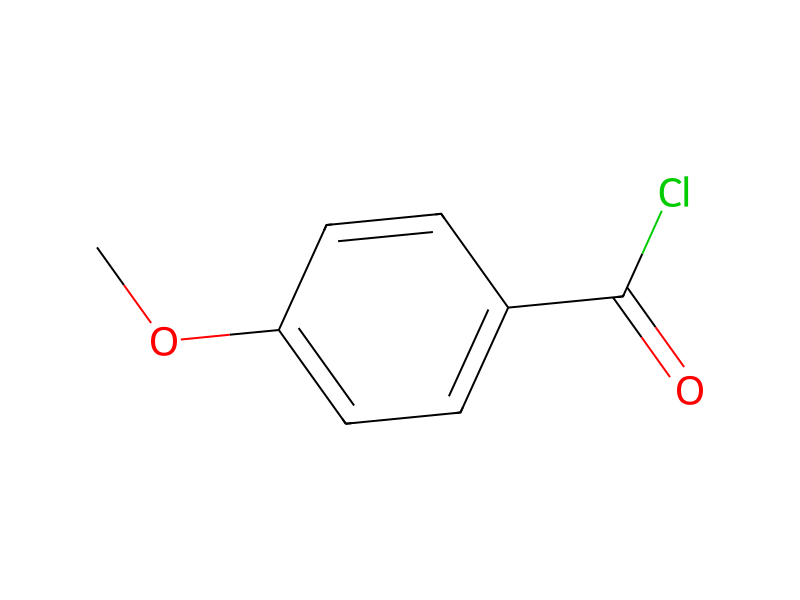
p-Anisoyl chloride → HCID 54014808, compound
Reaction equation

[NH2:1][CH2:2][CH2:3][C:4]1[N:5]=[CH:6][N:7]([CH2:9][CH2:10][CH2:11][NH:12][C:13]([CH2:22][CH3:23])([C:16]2[CH:21]=[CH:20][CH:19]=[CH:18][CH:17]=2)[CH2:14][CH3:15])[CH:8]=1.[CH3:24][O:25][C:26]1[CH:34]=[CH:33][C:29]([C:30](Cl)=[O:31])=[CH:28][CH:27]=1>>[CH2:14]([C:13]([NH:12][CH2:11][CH2:10][CH2:9][N:7]1[CH:8]=[C:4]([CH2:3][CH2:2][NH:1][C:30](=[O:31])[C:29]2[CH:33]=[CH:34][C:26]([O:25][CH3:24])=[CH:27][CH:28]=2)[N:5]=[CH:6]1)([C:16]1[CH:21]=[CH:20][CH:19]=[CH:18][CH:17]=1)[CH2:22][CH3:23])[CH3:15]Participants
3


Procedure
3-[4-(2-Aminoethyl)imidazol-1-yl]-N-(1-ethyl-1-phenylpropyl)propylamine (0.5 g) was reacted with 4-methoxybenzoyl chloride (0.29 g) in a similar manner to Example 55 to give N-(2-{1-[3-(1-ethyl-1-phenylpropylamino)propyl]-imidazol-4-yl}ethyl)-4-methoxybenzamide, as an oil.
Sources & evidence
- ORD record
- ord-e25cadb5f74d4c749b539900120e2a31
- Source dataset
- uspto-grants-2000_02
- Patent number
- US06031109
Reaction notes
Loading…