Ethyl Acetate → 2-{Hydroxy-(3-methoxyphenyl)methyl}cyclooctanone
Reaction equation

[C:1]1(=[O:9])[CH2:8][CH2:7][CH2:6][CH2:5][CH2:4][CH2:3][CH2:2]1.[Li+].CC([N-]C(C)C)C.[CH:18](=[O:27])[C:19]1[CH:24]=[CH:23][CH:22]=[C:21]([O:25][CH3:26])[CH:20]=1.C(OCC)(=O)C>C1COCC1.O>[OH:27][CH:18]([C:19]1[CH:24]=[CH:23][CH:22]=[C:21]([O:25][CH3:26])[CH:20]=1)[CH:2]1[CH2:3][CH2:4][CH2:5][CH2:6][CH2:7][CH2:8][C:1]1=[O:9]Participants
7





Procedure
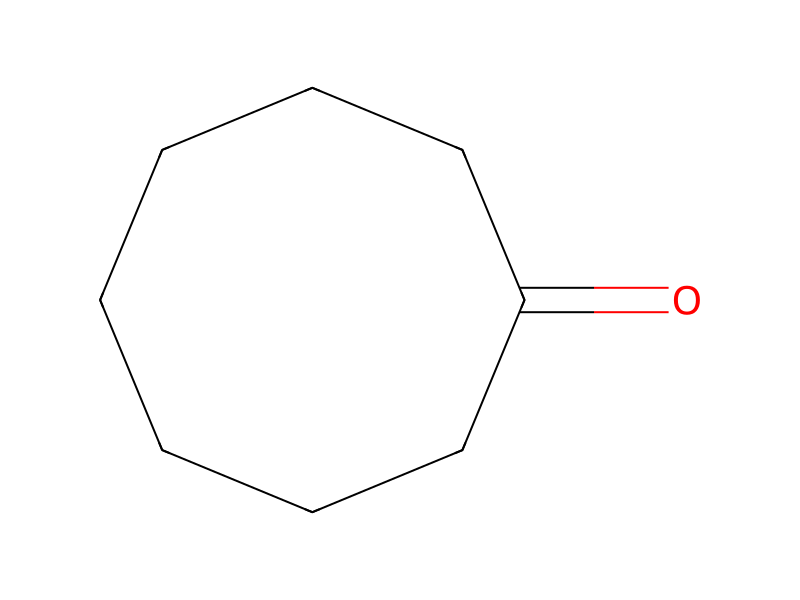
To a solution of cyclooctanone (4.0 g) in THF (40 ml) was added LDA (23 ml, 1.5M solution in cyclohexane) at −78° C. under N2, and then after 30 minutes, a solution of m-anisaldehyde (4.1 g) in THF (10 ml) was added in the solution. After being stirred for 2 hours at the same temperature, the solution was poured into the mixture of ethyl acetate and water. The organic layer was washed with 1N-HCl solution, sat. NaHCO3, and brine, dried over MgSO4, and evaporated in vacuo. The residue was purified by chromatography on silica gel to afford 2-{hydroxy-(3-methoxyphenyl)methyl}cyclooctanone (6.9 g).
Workup
- washThe organic layer was washed with 1N-HCl solution, sat. NaHCO3, and brine
- dry with materialdried over MgSO4
- customevaporated in vacuo
- customThe residue was purified by chromatography on silica gel
Sources & evidence
- ORD record
- ord-96dae999025c47be88836eef878844d1
- Source dataset
- uspto-grants-2001_10
- Patent number
- US06300344B1
Reaction notes
Loading…