Triethyl phosphite → HCID 59526931, compound
Reaction equation

[CH2:1]([O:8][C:9]1[C:18]2[C:13](=[CH:14][CH:15]=[CH:16][CH:17]=2)[N:12]=[C:11]([CH2:19]Cl)[C:10]=1[CH3:21])[C:2]1[CH:7]=[CH:6][CH:5]=[CH:4][CH:3]=1.[P:22]([O:29]CC)([O:26][CH2:27][CH3:28])[O:23][CH2:24][CH3:25]>>[CH2:1]([O:8][C:9]1[C:18]2[C:13](=[CH:14][CH:15]=[CH:16][CH:17]=2)[N:12]=[C:11]([CH2:19][P:22](=[O:29])([O:26][CH2:27][CH3:28])[O:23][CH2:24][CH3:25])[C:10]=1[CH3:21])[C:2]1[CH:7]=[CH:6][CH:5]=[CH:4][CH:3]=1Participants
3
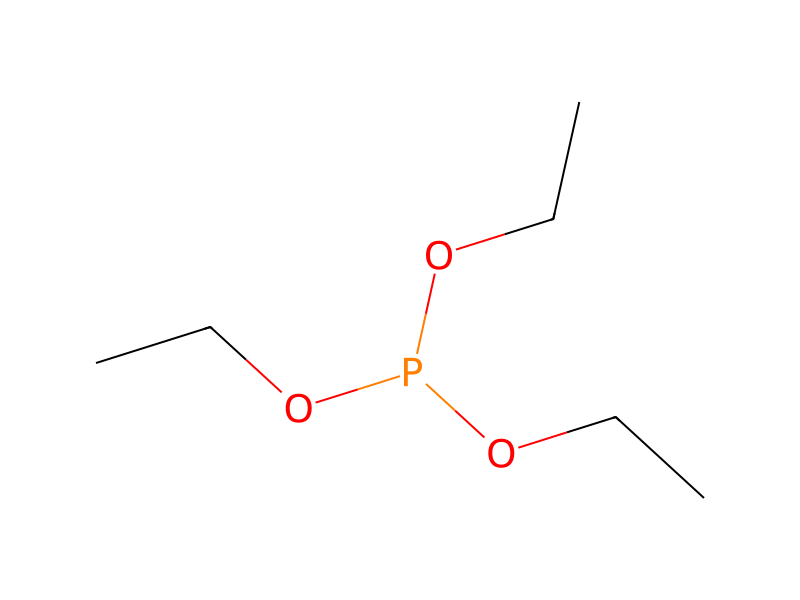


Conditions
- Temperature
- 150 °C
Procedure
A mixture of 4-(benzyloxy)-2-(chloromethyl)-3-methylquinoline (1.00 g) and triethyl phosphite (3.84 g) was stirred at 150° C. for 6 hours. The reaction mixture was allowed to cool to room temperature, and then concentrated under reduced pressure. The residue was purified by silica gel column chromatography (eluent: chloroform/methanol=98/2) to obtain diethyl {[4-(benzyloxy)-3-methylquinolin-2-yl]methyl}phosphonate (1.12 g).
Workup
- temperatureto cool to room temperature
- concentrationconcentrated under reduced pressure
- customThe residue was purified by silica gel column chromatography (eluent: chloroform/methanol=98/2)
Sources & evidence
- ORD record
- ord-dc64679c71294217b503346ffa11e02e
- Source dataset
- uspto-grants-2013_02
- Patent number
- US08367702B2
Reaction notes
Loading…