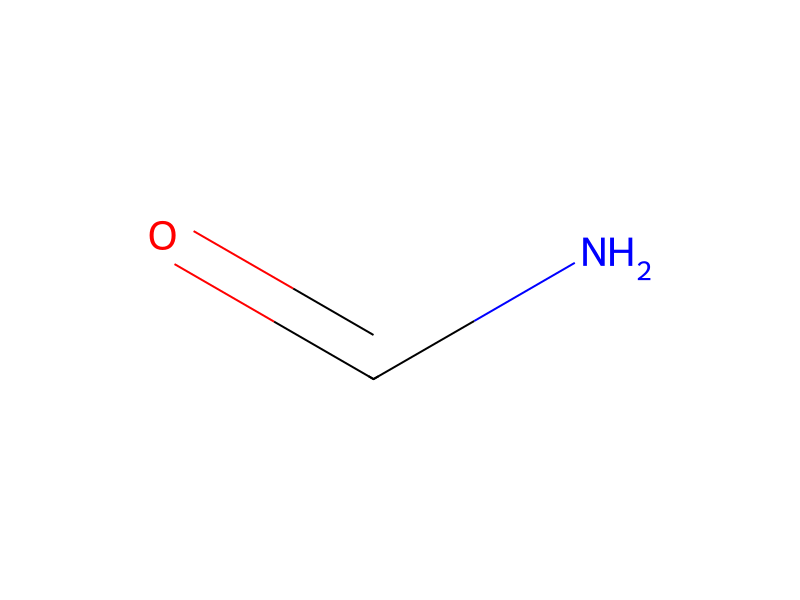
Formamide → 6-Methoxy-7-(3-morpholinopropoxy)-3,4-dihydroquinazolin-4-one
Reaction equation

[CH3:1][O:2][C:3]1[CH:4]=[C:5]([C:11]([NH2:24])=[CH:12][C:13]=1[O:14][CH2:15][CH2:16][CH2:17][N:18]1[CH2:23][CH2:22][O:21][CH2:20][CH2:19]1)[C:6]([O:8]CC)=O.[CH:25]([NH2:27])=O>>[CH3:1][O:2][C:3]1[CH:4]=[C:5]2[C:11](=[CH:12][C:13]=1[O:14][CH2:15][CH2:16][CH2:17][N:18]1[CH2:19][CH2:20][O:21][CH2:22][CH2:23]1)[N:24]=[CH:25][NH:27][C:6]2=[O:8]Participants
3


Procedure
WO 01/21594 describes a process for a 6-alkoxy-7-aminoalkoxyquinazolin-4-one compound or a 7-alkoxy-6-aminoalkoxyquinazolin-4-one compound. For instance, ethyl 3-methoxy-4-(3-morpholinopropoxy)-6-aminobenzoate is reacted with formamide to give 6-methoxy-7-(3-morpholinopropoxy)quinazolin-4-one in 68% yield. This process, however, has a problem as an industrially applicable process in that the yield is low, and the teratogenetic formamide is reacted at an elevated temperature in an excessive amount.
Sources & evidence
- ORD record
- ord-d76c32d5f919429f8382959dda4c2d58
- Source dataset
- uspto-grants-2013_02
- Patent number
- US08367824B2
Reaction notes
Loading…