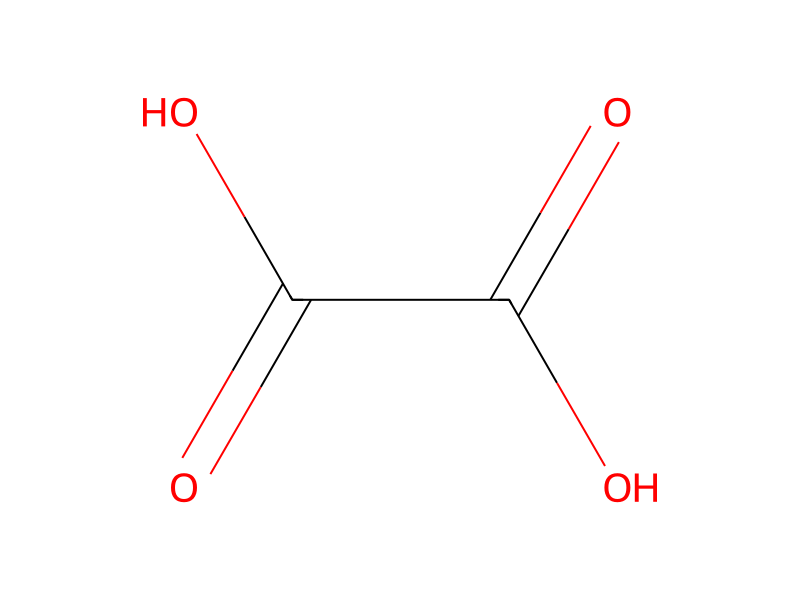
Oxalic Acid → HCID 59289083, compound
Reaction equation

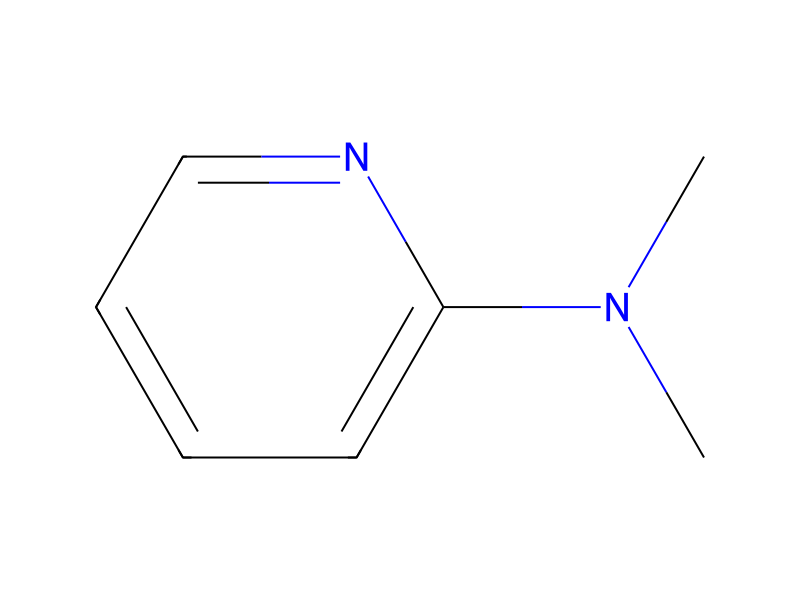
C1CCC(N=C=NC2CCCCC2)CC1.[CH2:16]([CH:21]1[CH2:26][CH2:25][CH:24]([CH:27]2[CH2:32][CH2:31][CH:30]([C:33]([OH:35])=[O:34])[CH2:29][CH2:28]2)[CH2:23][CH2:22]1)[CH2:17][CH2:18][CH2:19][CH3:20].CN(C1C=CC=CN=1)C.[Br:45][CH2:46][CH2:47][CH2:48]O.C(O)(=O)C(O)=O>C(Cl)Cl>[Br:45][CH2:46][CH2:47][CH2:48][O:34][C:33]([CH:30]1[CH2:29][CH2:28][CH:27]([CH:24]2[CH2:25][CH2:26][CH:21]([CH2:16][CH2:17][CH2:18][CH2:19][CH3:20])[CH2:22][CH2:23]2)[CH2:32][CH2:31]1)=[O:35]Participants
7
Reactant 5



Product 1

Reagents, catalysts & solvents 1

Conditions
- Temperature
- 25 °C
Procedure
A solution of DCC (11.3 g, 54.5 mmol) in DCM is added slowly to an ice cooled mixture of 4′-pentyl-bicyclohexyl-4-carboxylic acid (15.0 g, 53.5 mmol), dimethylaminopyridine (1.1 g) and 3-bromopropan-1-ol (7.5 g, 54.0 mmol) and DCM (100 ml). After addition is complete, the mixture is stirred at 25° C. overnight. Oxalic acid is added to mop up excess DCC, the mixture is filtered and then evaporated to dryness to afford 4′-pentyl-bicyclohexyl-4-carboxylic acid 3-bromo-propyl ester as a white solid which gave correct mass ion by GCMS (M+401). 1H NMR gave expected signals. The product is used without further purification in the preparation of preferred example 2.
Workup
- temperaturecooled
- additionAfter addition
- filtrationthe mixture is filtered
- customevaporated to dryness
Sources & evidence
- ORD record
- ord-c8c82968d4f0472795470d44c8d51669
- Source dataset
- uspto-grants-2013_02
- Patent number
- US08372307B2
Reaction notes
Loading…