Chloroacetyl chloride → HCID 18172749, compound
Reaction equation

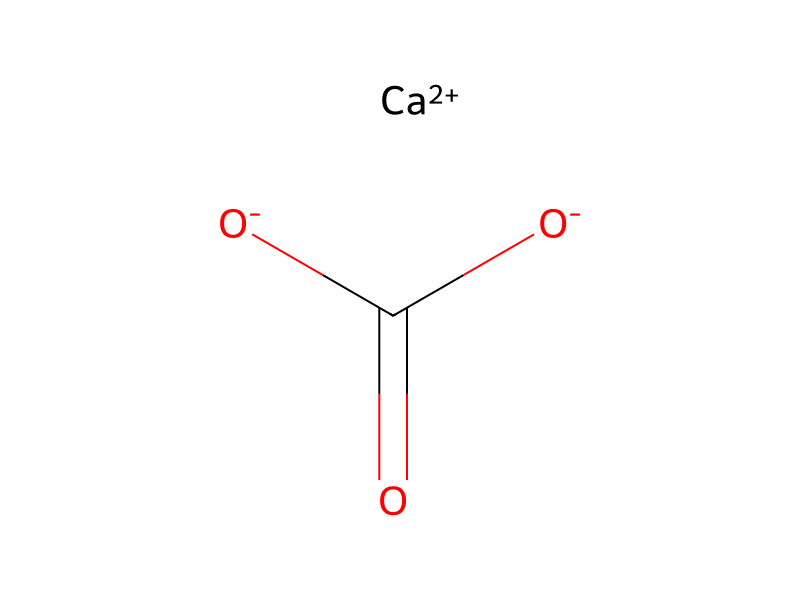
[Cl:1][CH2:2][C:3](Cl)=[O:4].Cl.[NH2:7][C:8]1[CH:17]=[CH:16][C:15]2[C:10](=[CH:11][CH:12]=[CH:13][CH:14]=2)[C:9]=1[OH:18].C(=O)([O-])[O-].[Ca+2]>O1CCOCC1>[Cl:1][CH2:2][C:3]([NH:7][C:8]1[CH:17]=[CH:16][C:15]2[C:10](=[CH:11][CH:12]=[CH:13][CH:14]=2)[C:9]=1[OH:18])=[O:4]Participants
Reactant 3


Product 1

Reagents, catalysts & solvents 1

Conditions
- Temperature
- 15 °C
Procedure
2 ml of chloroacetyl chloride (25.4 mmol) were added dropwise to a suspension of 5 g of 2-amino-1-naphthol hydrochloride (25.4 mmol) and 5.08 g of calcium carbonate in 200 ml of dioxane, with stirring and under an inert atmosphere. The reaction medium was stirred at 40° C. for 1 hour 30 minutes, cooled to 15° C., filtered on sintered glass and the inorganic salts were rinsed twice with ethyl acetate. The combined organic phases were concentrated until an insoluble product appeared. The concentrate was poured over 250 ml of ice-cold water. The precipitate formed was drained, washed with water and dried under vacuum to a constant weight to give 3.58 g of 2-chloro-N-(1-hydroxynaphthalen-2-yl)acetamide in the form of a beige powder with a yield of 60%.
Workup
- stirringThe reaction medium was stirred at 40° C. for 1 hour 30 minutes
- filtrationfiltered on sintered glass
- washthe inorganic salts were rinsed twice with ethyl acetate
- concentrationThe combined organic phases were concentrated until an insoluble product
- additionThe concentrate was poured over 250 ml of ice-cold water
- customThe precipitate formed
- washwashed with water
- customdried under vacuum to a constant weight
Sources & evidence
- ORD record
- ord-a4523548cc834107a28ffc52c65cc4cd
- Source dataset
- uspto-grants-2003_08
- Patent number
- US06605124B1
Reaction notes
Loading…