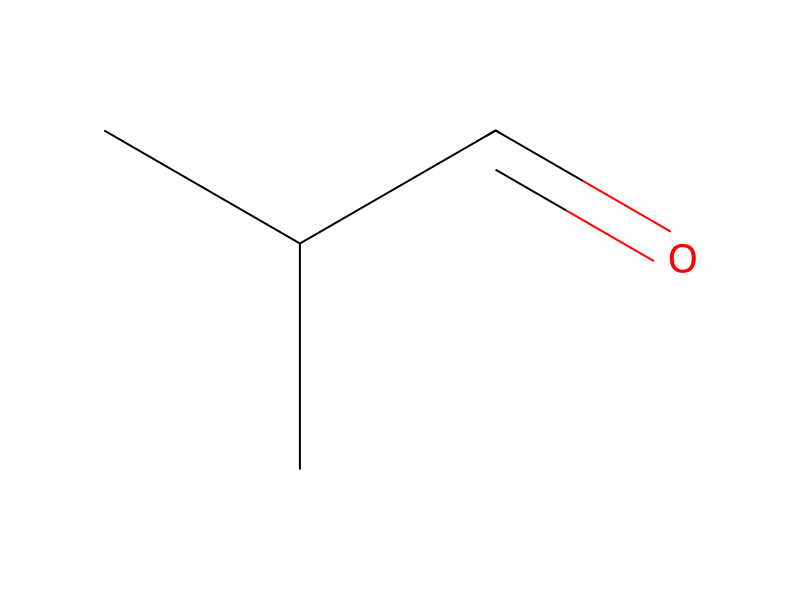
Isobutyraldehyde → HCID 21352741, compound
Reaction equation

[CH3:1][O:2][C:3]1[CH:26]=[CH:25][C:6]([C:7]([NH:9][C:10]2[C:11]([NH:16][C:17]([CH:19]3[CH2:24][CH2:23][NH:22][CH2:21][CH2:20]3)=[O:18])=[CH:12][CH:13]=[CH:14][CH:15]=2)=[O:8])=[CH:5][CH:4]=1.[CH:27](=O)[CH:28]([CH3:30])[CH3:29]>>[CH3:1][O:2][C:3]1[CH:4]=[CH:5][C:6]([C:7]([NH:9][C:10]2[C:11]([NH:16][C:17]([CH:19]3[CH2:20][CH2:21][N:22]([CH2:27][CH:28]([CH3:30])[CH3:29])[CH2:23][CH2:24]3)=[O:18])=[CH:12][CH:13]=[CH:14][CH:15]=2)=[O:8])=[CH:25][CH:26]=1Participants
3


Procedure
Using the general procedure described in Example 3, N1-(4-methoxybenzoyl)-N2-(piperidin-4-ylcarbonyl)-1,2-benzenediamine (0.070 mmol) was reacted with isobutyraldehyde to provide 32 mg of the title product as the free base. Treatment with hydrochloric acid and concentration in vacuo yielded the salt of the title compound.
Sources & evidence
- ORD record
- ord-52a280d3c6b44d3fb10cc2116673ffce
- Source dataset
- uspto-grants-2003_08
- Patent number
- US06605626B2
Reaction notes
Loading…