Water → Methyl 4-amino-3-(4-methoxybenzamido)benzoate
Reaction equation

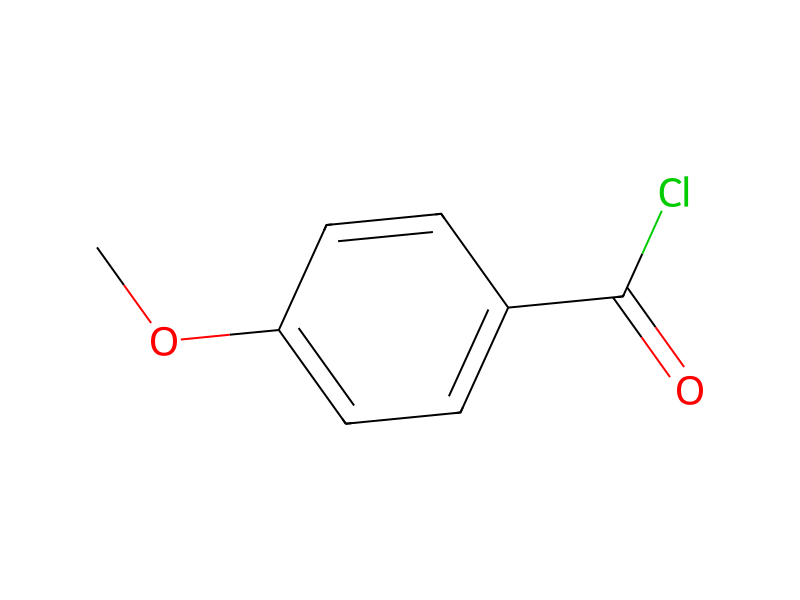
Cl.[NH2:2][C:3]1[CH:4]=[C:5]([CH:10]=[CH:11][C:12]=1[NH2:13])[C:6]([O:8][CH3:9])=[O:7].O.N1C=CC=CC=1.[C:21](Cl)(=[O:30])[C:22]1[CH:27]=[CH:26][C:25]([O:28][CH3:29])=[CH:24][CH:23]=1>C(#N)C>[CH3:29][O:28][C:25]1[CH:26]=[CH:27][C:22]([C:21]([NH:2][C:3]2[CH:4]=[C:5]([CH:10]=[CH:11][C:12]=2[NH2:13])[C:6]([O:8][CH3:9])=[O:7])=[O:30])=[CH:23][CH:24]=1Participants
6





Procedure
A solution of methyl 3,4-diaminobenzoate hydrochloride (1.43 g, 6.00 mmol) in acetonitrile (100 mL) was cooled to 0° C. and treated with water (15 mL), pyridine (0.97 mL, 12 mmol), and a solution of p-anisoyl chloride (1.03 g, 6.00 mmol) in acetonitrile (25 mL). The reaction mixture was allowed to slowly warm to room temperature over 16 h. The resulting precipitate was collected and washed with acetonitrile to provide 1.07 g (59%) of the title compound.
Workup
- customThe resulting precipitate was collected
- washwashed with acetonitrile
Sources & evidence
- ORD record
- ord-805c67bcb2f3484db0db0053acd044f6
- Source dataset
- uspto-grants-2003_08
- Patent number
- US06605626B2
Reaction notes
Loading…