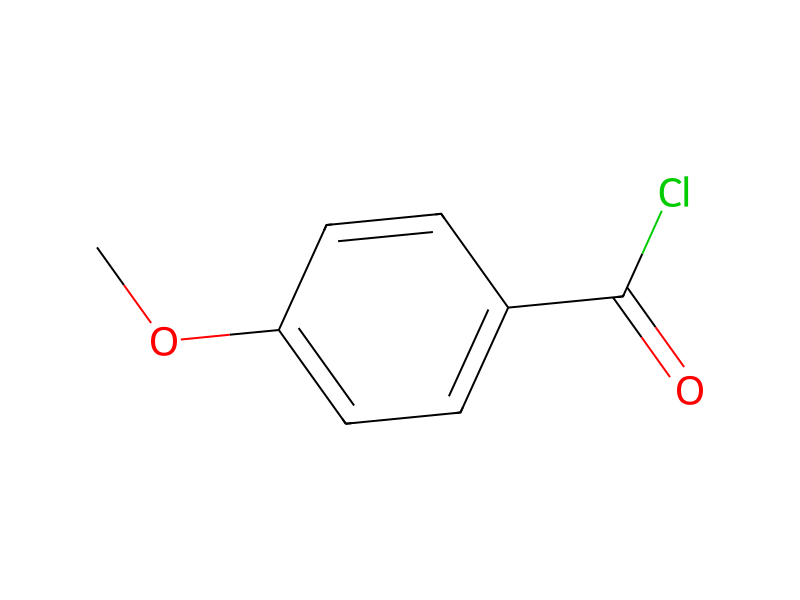
p-Anisoyl chloride → HCID 19601454, compound
Reaction equation

[NH2:1][C:2]1[N:7]=[C:6]2[C:8]([CH:11]3[CH2:16][CH2:15][N:14]([CH3:17])[CH2:13][CH2:12]3)=[CH:9][NH:10][C:5]2=[CH:4][CH:3]=1.[CH3:18][O:19][C:20]1[CH:28]=[CH:27][C:23]([C:24](Cl)=[O:25])=[CH:22][CH:21]=1>>[CH3:18][O:19][C:20]1[CH:28]=[CH:27][C:23]([C:24]([NH:1][C:2]2[N:7]=[C:6]3[C:8]([CH:11]4[CH2:16][CH2:15][N:14]([CH3:17])[CH2:13][CH2:12]4)=[CH:9][NH:10][C:5]3=[CH:4][CH:3]=2)=[O:25])=[CH:22][CH:21]=1Participants
3


Procedure
Beginning with 0.010 gm (0.044 mMol) 5-amino-3-(1-methylpiperidin-4-yl)pyrrolo[3,2-b]pyridine and 0.058 mMol 4-methoxybenzoyl chloride, the title compound was prepared essentially by the procedure described in Example 7.
Sources & evidence
- ORD record
- ord-552d5b8f6c3f4838ab770e2f9442d018
- Source dataset
- uspto-grants-1998_10
- Patent number
- US05817671
Reaction notes
Loading…