Dibutylamine → HCID 53779816, compound
Reaction equation

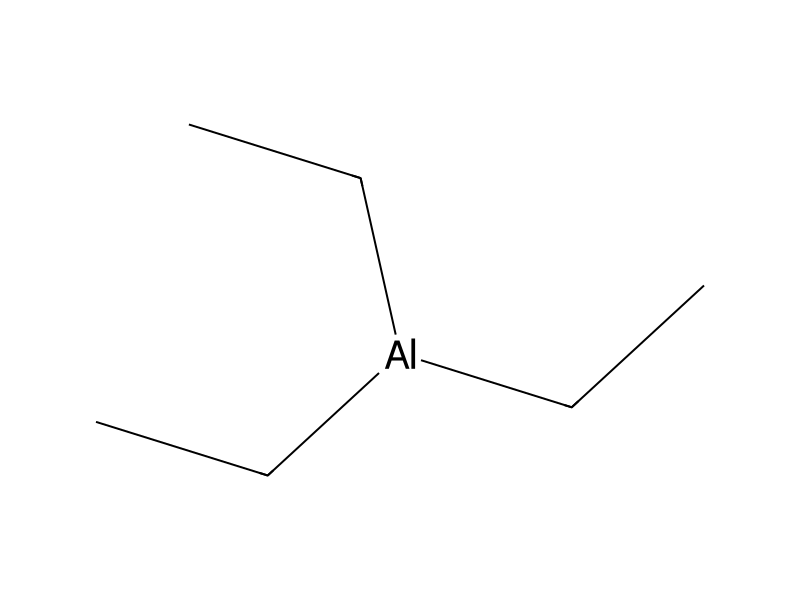
[CH2:1]([NH:5][CH2:6][CH2:7][CH2:8][CH3:9])[CH2:2][CH2:3][CH3:4].C([Al](CC)CC)C.[CH:17]12[O:23][CH:22]1[CH2:21][CH2:20][CH2:19][CH2:18]2.[OH-].[Na+]>ClCCl.CCCCCC>[CH2:1]([N:5]([C@@H:21]1[CH2:20][CH2:19][CH2:18][CH2:17][C@H:22]1[OH:23])[CH2:6][CH2:7][CH2:8][CH3:9])[CH2:2][CH2:3][CH3:4]Participants
Reactant 4



Product 1

Reagents, catalysts & solvents 2


Procedure
A! A solution of 43 ml (0.25 mole) of dibutylamine in 770 ml of dichloromethane was added with a 0.91M solution of 280 ml (0.025 mole) of triethyl-aluminium in hexane, at 0° C. under argo, and the resultant reaction mixture was stirred for 30 minutes at room temperature, then dropwise added with 25.8 ml (0.25 mole) of 7-oxabicyclo[4.1.0]heptane, and stirred overnight. A 6M solution of 200 ml (1.2 moles) of sodium hydroxide was added very slowly, and the mixture was stirred for 2 hours at room temperature. The phases were separated, and the organic one was washed with water (2×50 ml), anhydrified over sodium sulfate and evaporated. The resultant crude was distilled under vacuum to provide 43.7 g (yield: 75%) of trans-2-(N,N-dibutylamino)-cyclohexanol (b.p.--105°-107° C./1 mmHg).
Workup
- customthe resultant reaction mixture
- stirringstirred overnight
- stirringthe mixture was stirred for 2 hours at room temperature
- customThe phases were separated
- washthe organic one was washed with water (2×50 ml)
- customover sodium sulfate and evaporated
- distillationThe resultant crude was distilled under vacuum
Sources & evidence
- ORD record
- ord-2b6d200ff520422486781bb1f1d7cd72
- Source dataset
- uspto-grants-1998_10
- Patent number
- US05827881
Reaction notes
Loading…