Chloroacetyl chloride → HCID 178498727, compound
Reaction equation

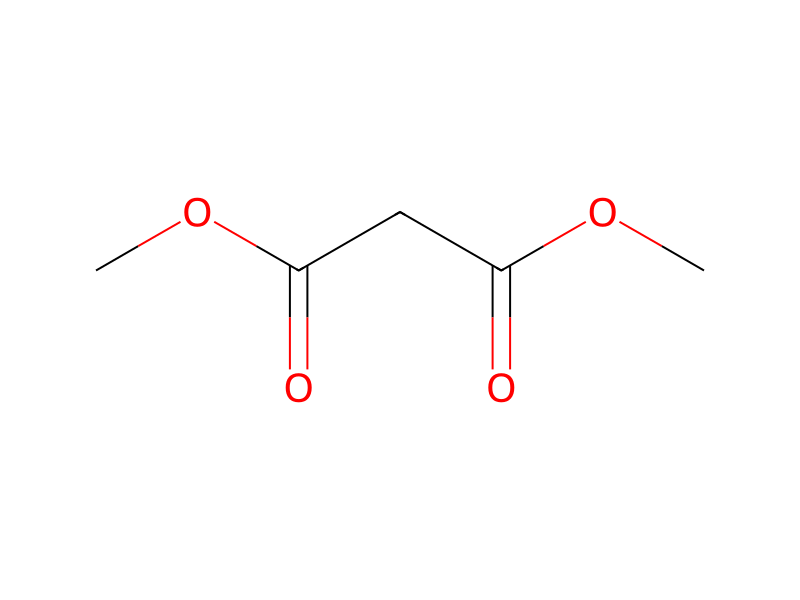
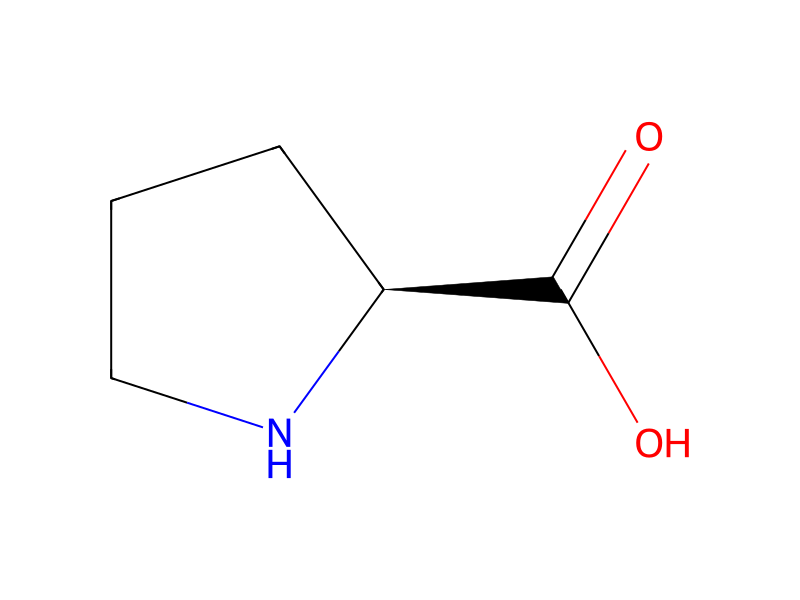
[CH:1]1([NH:4][C:5]2[O:6][CH2:7][C:8](=[O:14])[C:9]=2[C:10]([O:12][CH3:13])=[O:11])[CH2:3][CH2:2]1.C(OC)(=O)CC(OC)=O.ClCC(Cl)=O.C1(N)CC1.[NH:33]1[C:41]2[C:36](=[CH:37][CH:38]=[CH:39][N:40]=2)[C:35]([CH:42]=O)=[CH:34]1.N1CCC[C@H]1C(O)=O>C(O)C>[NH:33]1[C:41]2=[N:40][CH:39]=[CH:38][CH:37]=[C:36]2[C:35]([CH:42]=[C:7]2[O:6][C:5]([NH:4][CH:1]3[CH2:2][CH2:3]3)=[C:9]([C:10]([O:12][CH3:13])=[O:11])[C:8]2=[O:14])=[CH:34]1Participants
8
Reactant 6




Product 1

Reagents, catalysts & solvents 1

Procedure
To a solution of methyl 2-(cyclopropylamino)-4-oxo-4,5-dihydrofuran-3-carboxylate (0.50 g, 2.5 mmol) which similarly prepared according to the procedure described in the Example 4, First step using dimethyl malonate, chloroacetyl chloride and cyclopropylamine, and 7-azaindole-3-carboxaldehyde (0.37 g, 2.5 mmol) in ethanol (6.0 mL), L-proline (0.029 g, 0.25 mmol) was added at ambient temperature. The mixture was refluxed for 16 h. Cooled to ambient temperature, the precipitate was collected by filtration, washed with methanol then dried to afford the titled compound as solid (0.012 g, y. 30%).
Workup
- additionwas added at ambient temperature
- temperatureThe mixture was refluxed for 16 h
- filtrationthe precipitate was collected by filtration
- washwashed with methanol
- customthen dried
Sources & evidence
- ORD record
- ord-bacc73a858aa4a20aabadbc3f22e1ab2
- Source dataset
- uspto-grants-2014_06
- Patent number
- US08742113B2
Reaction notes
Loading…