Acetaldehyde → Diethyl 2,6-dimethyl-4-oxopiperidine-3,5-dicarboxylate
Reaction equation

C(OC([N:8]1[CH:13](C)[CH2:12]C(=O)[CH2:10][CH:9]1C)=O)(C)(C)C.[CH3:17][CH2:18][O:19][C:20]([CH2:22][C:23]([CH2:25][C:26]([O:28][CH2:29][CH3:30])=[O:27])=[O:24])=[O:21].C(=O)C>>[CH3:10][CH:9]1[CH:25]([C:26]([O:28][CH2:29][CH3:30])=[O:27])[C:23](=[O:24])[CH:22]([C:20]([O:19][CH2:18][CH3:17])=[O:21])[CH:13]([CH3:12])[NH:8]1Participants
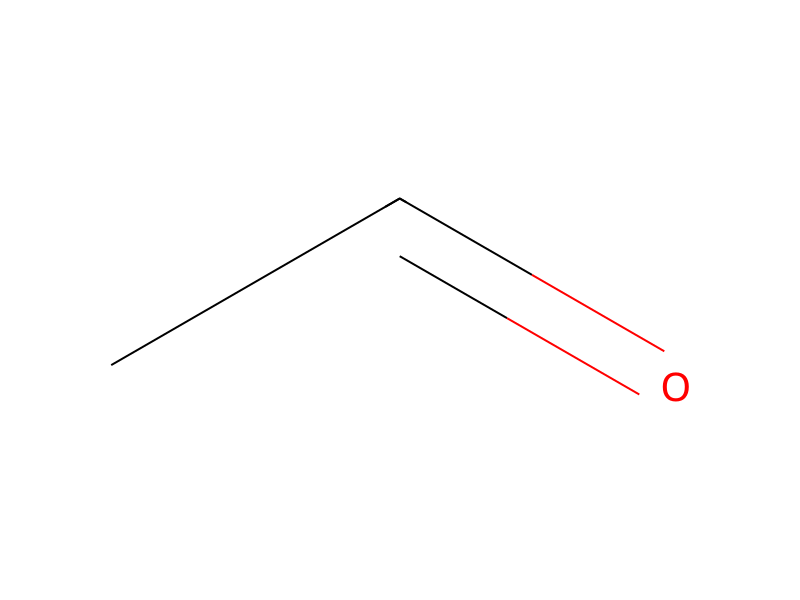


Procedure
Compound 5-3 was made in a manner similar to Hall, H. K. Jr.; J. Am. Chem. Soc., 1957, 79, 5444-5447. Step 2a: Into a mixture of diethyl acetonedicarboxylate (103.6 g, 0.512 mol) and acetaldehyde (45.3 g, 1.33 mol) was bubbled ammonia gas until that liquid was saturated at −30° C. The solution was stored in freezer overnight. The yellow sludge was dissolved in dichloromethane (15 mL), filtered though silica gel and washed with EtOAc. The organic layer was concentrated to give diethyl 2,6-dimethyl-4-oxopiperidine-3,5-dicarboxylate as a thick yellow oil (92 g, 54%). Step 2b: A solution of the diester (90 g, 0.332 mol) in 10% aqueous hydrochloric acid solution (400 mL) was refluxed for overnight. Water was evaporated to yield 2,6-Dimethyl-4-piperidone/HCl, which was used for the next step without further purification. Step 2c: 2,6-Dimethyl-4-piperidone HCl salt (25.0 g, 0.153 mol) was partitioned into dioxane (250 mL) and H2O (250 mL), and sodium bicarbonate (50 g, 0.59 mol) was added in several portions. Boc anhydride (80 g, 0.37 mol) was added and the resulting reaction mixture was stirred at rt overnight. The reaction mixture was evaporated to remove dioxane. The residue was extracted with Et2O and the organic layer was washed with brine and dried over sodium sulfate. After evaporation, the crude product was purified by chromatography (gradient elution of 9-14% EtOAc in hexane) to give Compound 5-3 as a white solid (18.0 g, 52%, mixture of 70:30 trans:cis) (based on comparison to NMR spectra of trans Compound 5-3 reported by Beak, P.; Lee, W. K.; J. Org. Chem. 1993, 58, 1109-1117). MS (ES+) m/z 128 (M-Boc+1).
Workup
- customwas bubbled ammonia gas until that liquid
- customwas saturated at −30° C
- dissolutionThe yellow sludge was dissolved in dichloromethane (15 mL)
- filtrationfiltered though silica gel
- washwashed with EtOAc
- concentrationThe organic layer was concentrated
Sources & evidence
- ORD record
- ord-b497c57c5d3a49329b1c2bef13ad6cb9
- Source dataset
- uspto-grants-2014_06
- Patent number
- US08759342B2
Reaction notes
Loading…