Acetic Acid → HCID 67431932, compound
Reaction equation

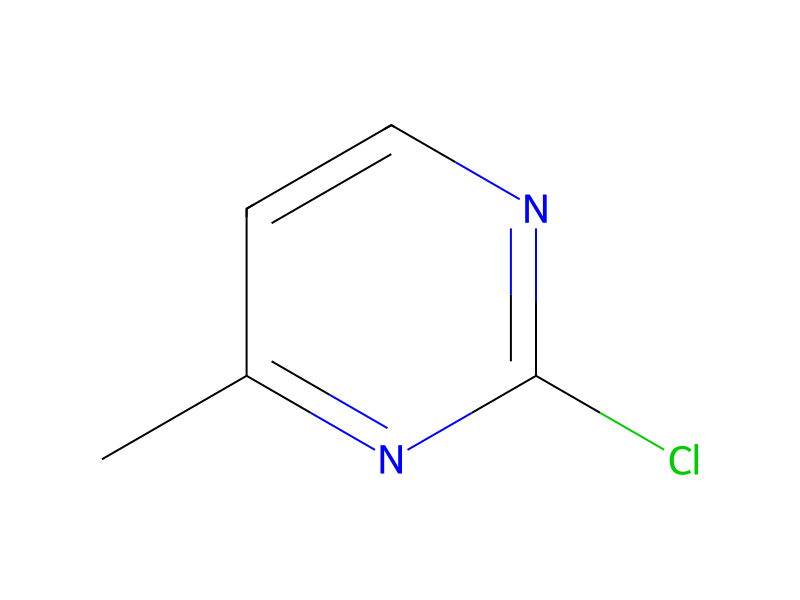
[Br:1][C:2]1[CH:3]=[C:4]([CH:6]=[C:7]([Br:9])[CH:8]=1)[NH2:5].Cl[C:11]1[N:16]=[C:15]([CH3:17])[CH:14]=[CH:13][N:12]=1.C(O)(=O)C>O1CCOCC1>[Br:1][C:2]1[CH:3]=[C:4]([NH:5][C:11]2[N:16]=[C:15]([CH3:17])[CH:14]=[CH:13][N:12]=2)[CH:6]=[C:7]([Br:9])[CH:8]=1Participants
Reactant 3


Product 1

Reagents, catalysts & solvents 1

Conditions
- Temperature
- 120 °C
Procedure
A solution of 3,5-dibromoaniline (2.93 g, 11.67 mmol), 2-chloro-4-methylpyrimidine (1.5 g, 11.67 mmol), and acetic acid (0.701 mL, 12.25 mmol) in 1,4-dioxane (23.5 mL) was sealed in a pressure vessel under an argon atmosphere and heated at 120° C. for 17 hours. After being cooled to room temperature, the reaction mixture was partitioned between ethyl acetate (100 mL) and saturated aqueous sodium bicarbonate solution (40 mL). The layers were separated, and the organic layer was washed with brine, dried over sodium sulfate, filtered, and concentrated. Silica gel flash chromatography (10% to 30% ethyl acetate/hexanes) afforded N-(3,5-dibromophenyl)-4-methylpyrimidin-2-amine (3.6 g, 9.97 mmol, 85% yield, 95% purity) as a light yellow solid. MS ESI: [M+H]+ m/z 343.8.
Workup
- temperatureAfter being cooled to room temperature
- customthe reaction mixture was partitioned between ethyl acetate (100 mL) and saturated aqueous sodium bicarbonate solution (40 mL)
- customThe layers were separated
- washthe organic layer was washed with brine
- dry with materialdried over sodium sulfate
- filtrationfiltered
- concentrationconcentrated
Sources & evidence
- ORD record
- ord-1b975ec9708e468f9322f87067e51f57
- Source dataset
- uspto-grants-2014_06
- Patent number
- US08759366B2
Reaction notes
Loading…