Acetic Acid → 3-Benzyl-3-azabicyclo(3.2.1)octan-8-one
Reaction equation

[CH2:1]([NH2:8])[C:2]1[CH:7]=[CH:6][CH:5]=[CH:4][CH:3]=1.[C:9]1(=O)[CH2:13]C[CH2:11][CH2:10]1.[CH2:15]=O.[C:17]([OH:20])(=O)[CH3:18]>CO>[CH2:1]([N:8]1[CH2:11][CH:10]2[C:17](=[O:20])[CH:18]([CH2:13][CH2:9]2)[CH2:15]1)[C:2]1[CH:7]=[CH:6][CH:5]=[CH:4][CH:3]=1Participants
Reactant 4



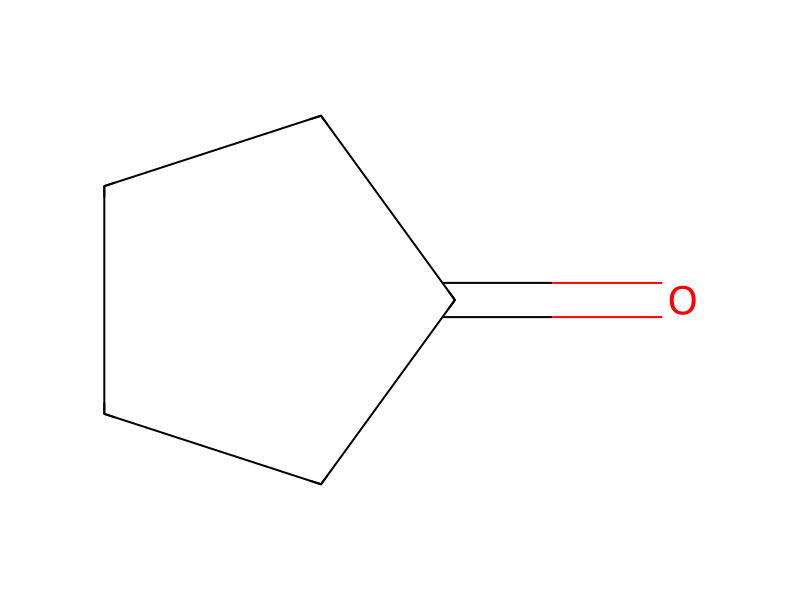
Product 1

Reagents, catalysts & solvents 1

Conditions
- Temperature
- 25 °C
Procedure
A solution of benzylamine (127.4 g, 1.19 mol) in methanol (125 mL) was added dropwise over 3 h to a refluxing solution of cyclopentanone (100 g, 1.19 mol), paraformaldehyde (107 g, 3.57 mol), and glacial acetic acid (71.4 g, 1.19 mol) in methanol (600 mL) under nitrogen. After 1 h at reflux, the brown mixture was stirred overnight at 25° C. and concentrated in vacuo. The resulting oil was diluted with water (200 mL) and basified with 6 N NaOH (200 mL). The aqueous solution was extracted with dichloromethane (3×400 mL). The combined organic extracts were dried (Na2SO4), and concentrated in vacuo. The residue was chromatographed, eluting with ethyl acetate: dichloromethane (1:35), to afford 47.6 g (19%) of the sub-title compound as a yellow oil.
Workup
- temperatureAfter 1 h at reflux
- concentrationconcentrated in vacuo
- additionThe resulting oil was diluted with water (200 mL)
- extractionThe aqueous solution was extracted with dichloromethane (3×400 mL)
- dry with materialThe combined organic extracts were dried (Na2SO4)
- concentrationconcentrated in vacuo
- customThe residue was chromatographed
- washeluting with ethyl acetate: dichloromethane (1:35)
Sources & evidence
- ORD record
- ord-f5f3e1338703432f9557acc9f30c077a
- Source dataset
- uspto-grants-2003_05
- Patent number
- US06559162B2
Reaction notes
Loading…