tert-Butanol → 4-Chloro-1,3-thiazole-5-carboxylic acid
Reaction equation

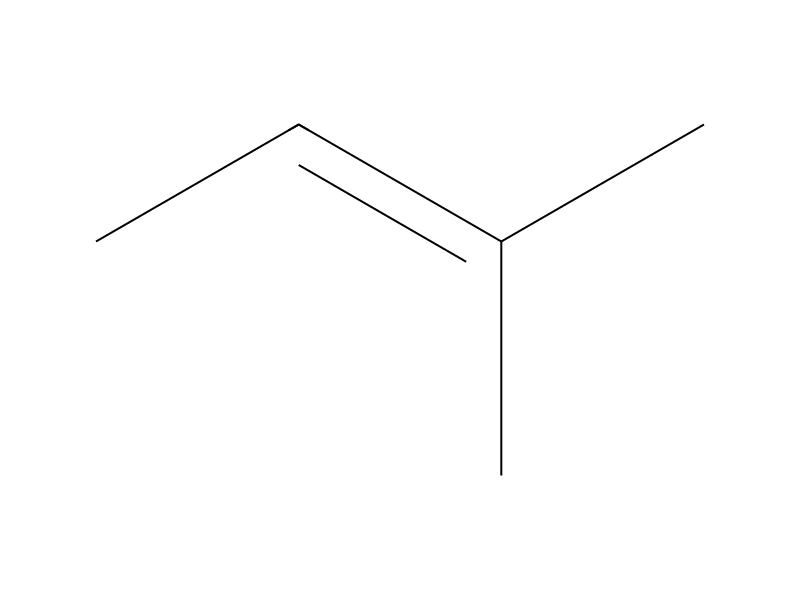
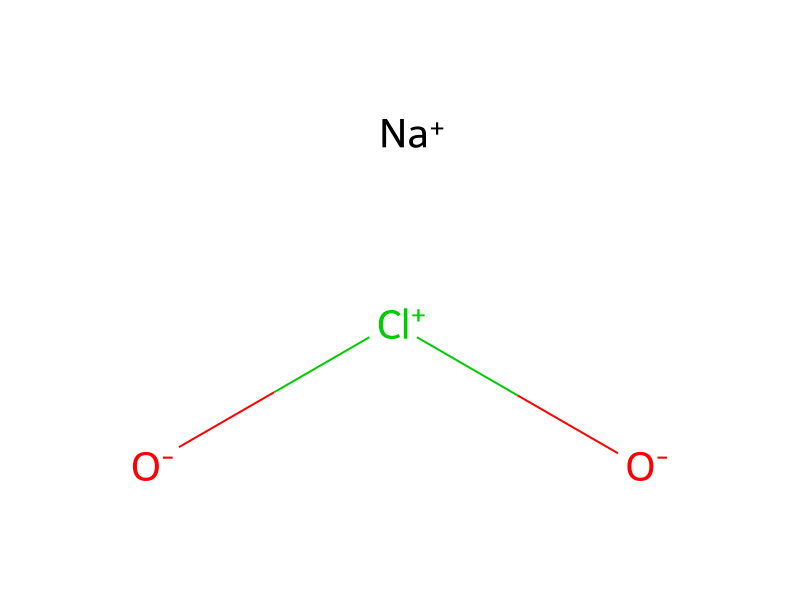
[Cl:1][C:2]1[N:3]=[CH:4][S:5][C:6]=1[CH:7]=[O:8].CC(=CC)C.C([OH:18])(C)(C)C.[O-]Cl=O.[Na+]>O>[Cl:1][C:2]1[N:3]=[CH:4][S:5][C:6]=1[C:7]([OH:18])=[O:8]Participants
6
Reactant 4


Product 1

Reagents, catalysts & solvents 1

Procedure
To a stirring mixture of 10.3 g (69.8 mmol) 4-chloro-thiazole-5-carbaldehyde (Journal of the Chemical Society, Perkins Transactions, 1992, 973-978), 296 ml (2792 mmol) 2-methyl-2-butene, and 200 mL tertiary butanol was added a solution of 50.5 g (558 mmol) NaClO2, 50.2 g (419 mmol) NaH2PO4 in 300 mL of water, dropwise over 20 minutes. The reaction was stirred for 1 hour then concentrated to ⅓ volume via rotary evaporation. The remaining solution was acidified with 6N HCl with rapid stirring. The precipitated solid was filtered and air dried under high vacuum overnight to give 10.6 g of white solid.
Workup
- concentrationthen concentrated
- customvia rotary evaporation
- filtrationThe precipitated solid was filtered
- customair dried under high vacuum overnight
Sources & evidence
- ORD record
- ord-3c08cbfba7b64ddeb0ac8a91f86f539d
- Source dataset
- uspto-grants-2003_05
- Patent number
- US06559168B2
Reaction notes
Loading…