Hydrochloric Acid → Ethyl 2,3-dihydro-1-benzothiepine-4-carboxylate
Reaction equation

[CH:1]([C:3]1[CH:8]=[CH:7][CH:6]=[CH:5][C:4]=1[S:9][CH2:10][CH2:11][CH2:12][C:13]([O:15][CH2:16][CH3:17])=[O:14])=O.[O-]CC.[Na+].Cl>C(=O)(OCC)OCC.C(O)C>[S:9]1[C:4]2[CH:5]=[CH:6][CH:7]=[CH:8][C:3]=2[CH:1]=[C:12]([C:13]([O:15][CH2:16][CH3:17])=[O:14])[CH2:11][CH2:10]1Participants
6





Procedure
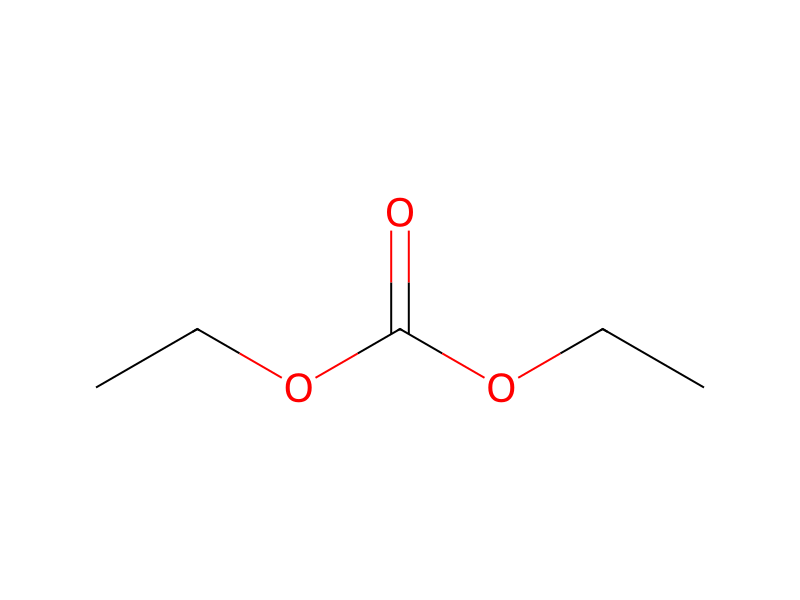
Ethyl 4-(2-formylphenylthio)butyrate (537 mg) was dissolved in 11 ml of diethyl carbonate and a 20% sodium ethoxide solution (1 ml) in ethanol was dropped at room temperature. Stirring was conducted at room temperature for 2 hours. During cooling in ice, 4 ml of a 1N hydrochloric acid was added. Extraction with 10 ml of ethyl acetate was conducted. The organic layer was washed with 20 ml of water three times. After drying with anhydrous sodium sulfate, the mixture was concentrated. The concentrated matter was purified by silica gel chromatography (toluene). The resulting effective fractions were concentrated to yield ethyl 2,3-dihydro-1-benzothiepine-4-carboxylate (352 mg, Yield 71%).
Workup
- temperatureDuring cooling in ice
- extractionExtraction with 10 ml of ethyl acetate
- washThe organic layer was washed with 20 ml of water three times
- dry with materialAfter drying with anhydrous sodium sulfate
- concentrationthe mixture was concentrated
- customThe concentrated matter was purified by silica gel chromatography (toluene)
- concentrationThe resulting effective fractions were concentrated
Sources & evidence
- ORD record
- ord-e757b95a2e0141dfbfacd62abd4b33e3
- Source dataset
- uspto-grants-2003_05
- Patent number
- US06566535B1
Reaction notes
Loading…