Acetic Acid → HCID 14649321, compound
Reaction equation

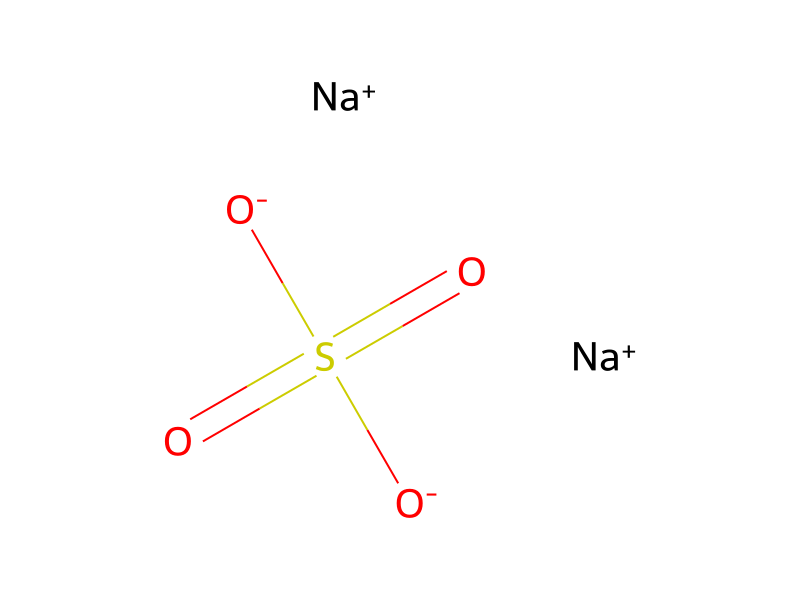
[CH2:1]([O:3][C:4]1[CH:9]=[CH:8][C:7]([CH:10]([C:16]([F:19])([F:18])[F:17])[CH2:11][C:12](OC)=[O:13])=[CH:6][CH:5]=1)[CH3:2].[H-].C([Al+]CC(C)C)C(C)C.C(O)(=O)C.S([O-])([O-])(=O)=O.[Na+].[Na+]>C1(C)C=CC=CC=1.O>[CH2:1]([O:3][C:4]1[CH:5]=[CH:6][C:7]([CH:10]([C:16]([F:17])([F:18])[F:19])[CH2:11][CH:12]=[O:13])=[CH:8][CH:9]=1)[CH3:2]Participants
7
Reactant 4



Product 1

Reagents, catalysts & solvents 2


Conditions
- Temperature
- -78 °C
Procedure
To a solution of methyl 3-(4-ethoxyphenyl)-4,4,4-trifluorobutanoate (2.0 g, 7.2×10⁻³ moles) in toluene (25 cm3) at -78° C. was added one molar diisobutylaluminium hydride (7.2 ml, 7.2×10⁻³ moles) in toluene. The resulting solution was stirred at -78° C. for two hours before quenching the reaction by the sequential addition of acetic acid (0.48 cm3, 8.4×10⁻³ moles), water (1 cm3) and sodium sulphate (10 g). The resulting slurry was allowed to warm to room temperature and after a further twenty minutes stirring the solids were filtered off through a silica plug. The solvent was removed to leave a colourless oil which was characterised as the title compound.
Workup
- custombefore quenching
- customthe reaction
- temperatureto warm to room temperature and after a further twenty minutes
- stirringstirring the solids
- filtrationwere filtered off through a silica plug
- customThe solvent was removed
- customto leave a colourless oil which
Sources & evidence
- ORD record
- ord-0d5e833f7fe24c06b217200113c335e7
- Source dataset
- uspto-grants-1988_12
- Patent number
- US04791139
Reaction notes
Loading…