Morpholine → HCID 57422999, compound
Reaction equation

C1COCCN1.COC(=O)c1cc(Br)c(OC)cc1Cl>CC(=O)O.CC(=O)O.Cc1ccccc1.O=C([O-])[O-].[Cs+].[Cs+].[Pd].c1ccc(P(c2ccccc2)c2ccc3ccccc3c2-c2c(P(c3ccccc3)c3ccccc3)ccc3ccccc23)cc1>COC(=O)c1cc(N2CCOCC2)c(OC)cc1ClParticipants




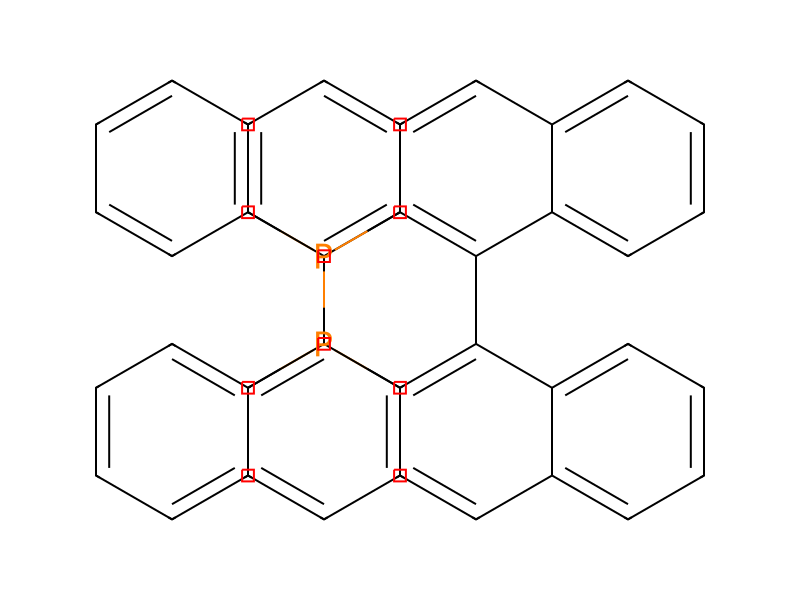
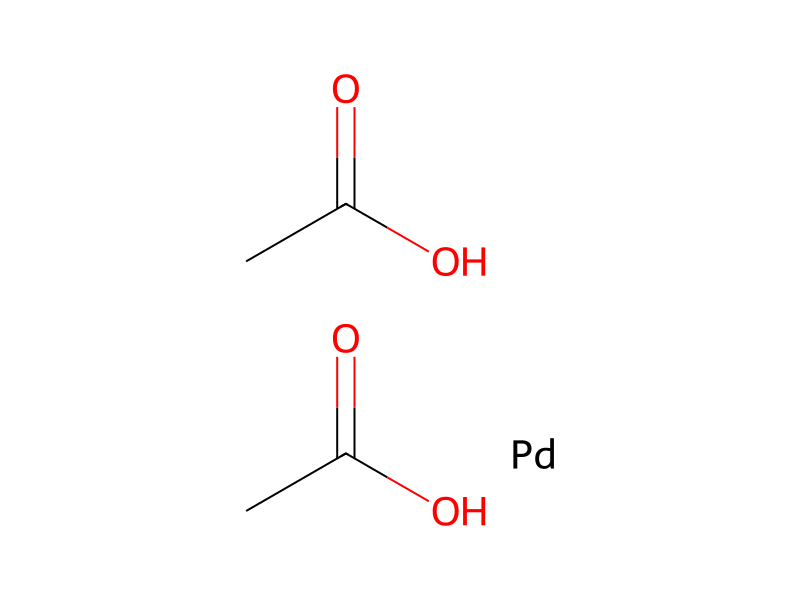

Conditions
- Temperature
- 100 °C
Procedure
Palladium(II) acetate (0.040 g, 0.18 mmol), methyl 2-chloro-4-methoxy-5-morpholinobenzoate (2.042 g, 80 %), cesium carbonate (4.08 g, 12.52 mmol) and racemic 2,2'-bis(diphenylphosphino)-1,1'-binaphthyl (0.223 g, 0.36 mmol) were mixed together in a round bottom flask and evacuated then purged with nitrogen. Morpholine (0.780 mL, 8.94 mmol) and degassed toluene (15 mL) were added and the resulting suspension (orange/red) was degassed and purged with nitrogen 3 times. The mixture was heated to 100 °C under nitrogen overnight. The mixture was allowed to cool to ambient temperature and filtered, washing with EtOAc. The filtrate was concentrated and the crude residue (a dark orange gum) was purified by flash silica chromatography, elution gradient 0 to 40% EtOAc in isohexane. Pure fractions were evaporated to dryness to afford methyl 2-chloro-4-methoxy-5-morpholinobenzoate (2.042 g, 80 %) as a pale yellow/cream crystalline solid.
Sources & evidence
- ORD record
- ord-bb0e774de3f94be78f90a0c79c7e9a7e
- Source dataset
- 750 AstraZeneca ELN dataset
- Original link
- View source
Reaction notes
Loading…