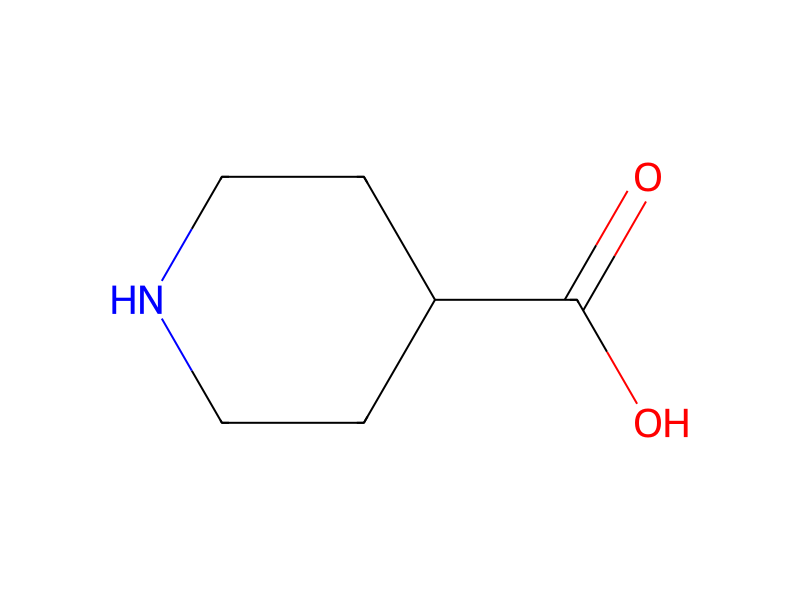
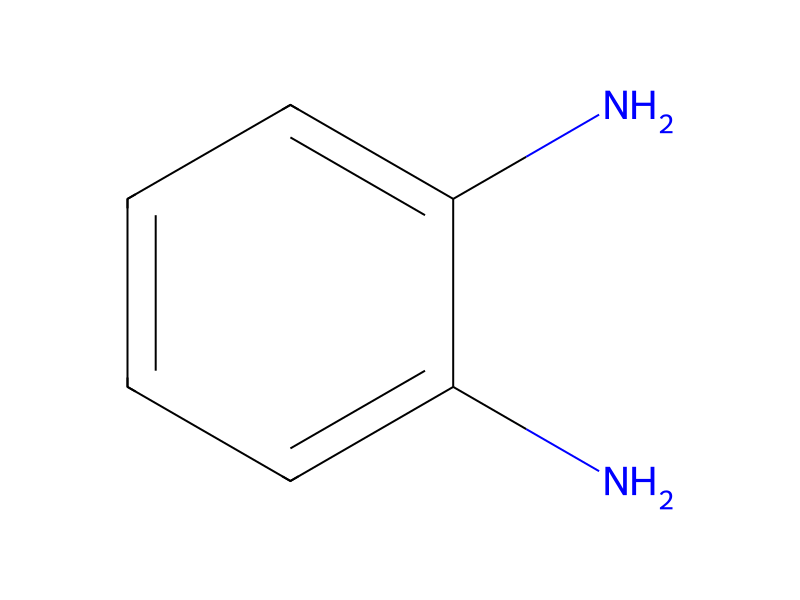
4-Piperidinecarboxylic acid → 2-(piperidin-4-yl)-1H-1,3-benzodiazole
Reaction equation

[NH:1]1[CH2:6][CH2:5][CH:4]([C:7](O)=O)[CH2:3][CH2:2]1.[NH2:10][C:11]1[CH:16]=[CH:15][CH:14]=[CH:13][C:12]=1[NH2:17].[OH-].[K+]>O>[NH:10]1[C:11]2[CH:16]=[CH:15][CH:14]=[CH:13][C:12]=2[N:17]=[C:7]1[CH:4]1[CH2:5][CH2:6][NH:1][CH2:2][CH2:3]1Participants
5
Reactant 3

Product 1

Reagents, catalysts & solvents 1

Conditions
- Temperature
- 190 °C
Procedure
A mixture of 4-piperidine carboxylic acid (5.30 g, 40 mmol), 1,2-diaminobenzene (4.32 g, 40 mmol) and polyphosphoric acid (40 g) were heated to 190° C. for 14 hours. Cooled, diluted with water (150 ml) and basified with 50% KOH to pH 8. Solution cooled in an ice/salt bath to give a precipitate which was collected by filtration and washed with water. Solid dried in vacuo to afford the title compound (8.0 g, 100%).
Workup
- temperatureCooled
- temperatureSolution cooled in an ice/salt bath
- customto give a precipitate which
- filtrationwas collected by filtration
- washwashed with water
- customSolid dried in vacuo
Sources & evidence
- ORD record
- ord-ecffd51f8bf94f38a5a5aaf7b6c62007
- Source dataset
- uspto-grants-2003_12
- Patent number
- US06660751B1
Reaction notes
Loading…