2,3-Difluorophenol → HCID 10157195, compound
Reaction equation

Cl[C:2]1[N:7]=[N:6][C:5]([C:8]2[CH:13]=[CH:12][C:11]([O:14][CH3:15])=[CH:10][CH:9]=2)=[C:4]([C:16]2[CH:21]=[CH:20][CH:19]=[CH:18][CH:17]=2)[CH:3]=1.[F:22][C:23]1[C:28]([F:29])=[CH:27][CH:26]=[CH:25][C:24]=1[OH:30]>>[F:22][C:23]1[C:28]([F:29])=[CH:27][CH:26]=[CH:25][C:24]=1[O:30][C:2]1[N:7]=[N:6][C:5]([C:8]2[CH:13]=[CH:12][C:11]([O:14][CH3:15])=[CH:10][CH:9]=2)=[C:4]([C:16]2[CH:21]=[CH:20][CH:19]=[CH:18][CH:17]=2)[CH:3]=1Participants
3
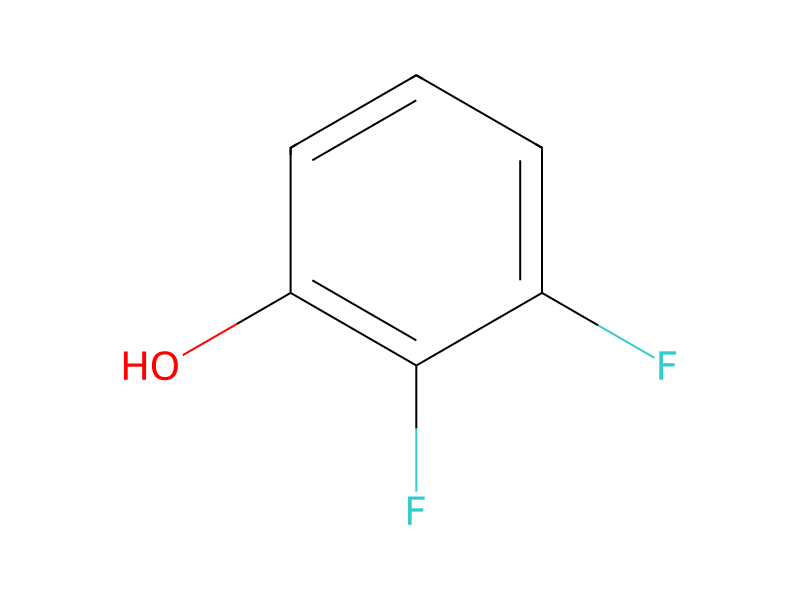


Procedure
In a similar manner as in Example 2, 6-chloro-3-(4-methoxyphenyl)-4-phenylpyridazine (210 mg, 0.708 mmol) and 2,3-difluorophenol were reacted as starting materials at 150° C. for 20 hours and post-treatment was then conducted, whereby the title compound was obtained as colorless prisms (230.3 mg, 83.4%). Melting point: 155.2-156.6° C. (ethyl acetate-hexane).
Workup
- customat 150° C.
- customfor 20 hours
Sources & evidence
- ORD record
- ord-8508d4e8608a4feabfd378ff4c81f115
- Source dataset
- uspto-grants-2003_12
- Patent number
- US06664256B1
Reaction notes
Loading…