Acetic Acid → Carbonic Acid
Reaction equation

[C:1]([OH:4])(=[O:3])C.[C:5]([OH:10])(=[O:9])CCC.C(O)(=[O:17])CCCCC.[CH:19]([OH:21])=[O:20]>>[C:1]([OH:4])(=[O:3])[C:19]([OH:21])=[O:20].[C:5](=[O:9])([OH:17])[OH:10]Participants
6




Procedure
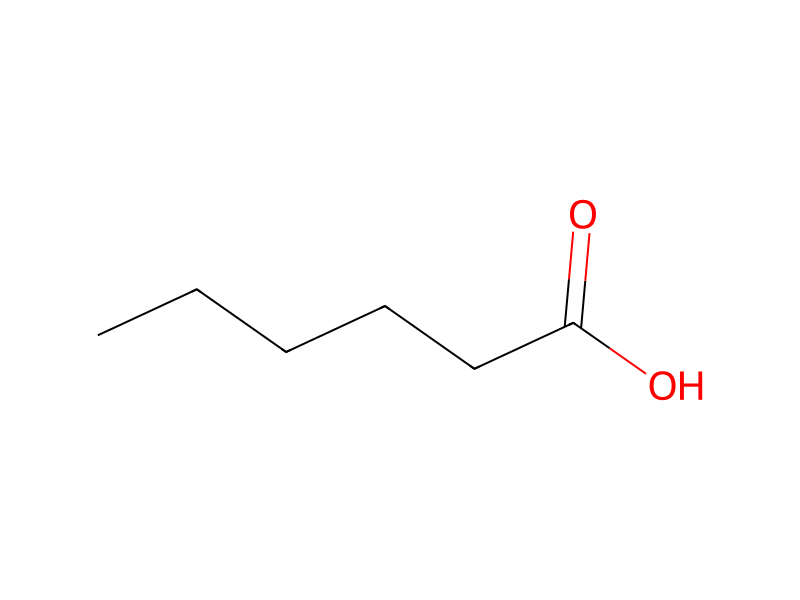
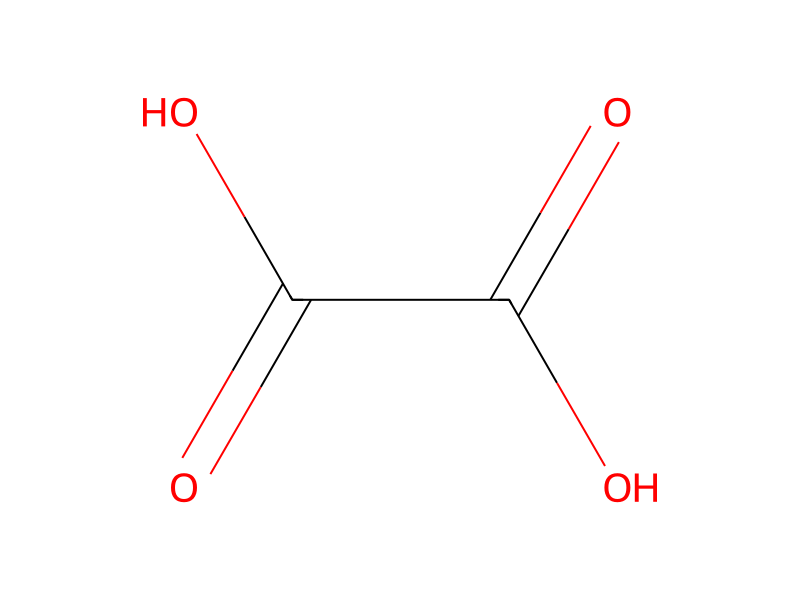
The procedures were again followed with substitution in the neutralization step of a number of other carboxylic acids the use of which is not in accordance with the invention. The use of acetic acid resulted in an apparently homogeneous semi-solid or gelatinous product. Butyric acid and hexanoic acid were responsible for production of a two phase mixture containing roughly equal quantities of a lower gel phase and an upper liquid phase. Formic acid, oxalic acid, and carbonic acid each resulted in formation of a white precipitate.
Workup
- additioncontaining roughly equal quantities of a lower gel phase
Sources & evidence
- ORD record
- ord-41008beac30b4f8da4d83594760b6271
- Source dataset
- uspto-grants-1983_08
- Patent number
- US04396779
Reaction notes
Loading…