Acetate → HCID 13194923, compound
Reaction equation

[Cl:1][CH2:2][CH2:3][CH2:4][CH2:5][CH2:6][CH2:7][CH2:8][CH2:9][CH2:10][C:11]#[C:12][CH:13]([OH:16])[CH:14]=[CH2:15].[C:17](OC(=O)C)(=[O:19])[CH3:18].C([O-])(=O)C>N1C=CC=CC=1>[C:17]([O:16][CH:13]([C:12]#[C:11][CH2:10][CH2:9][CH2:8][CH2:7][CH2:6][CH2:5][CH2:4][CH2:3][CH2:2][Cl:1])[CH:14]=[CH2:15])(=[O:19])[CH3:18]Participants
Reactant 3
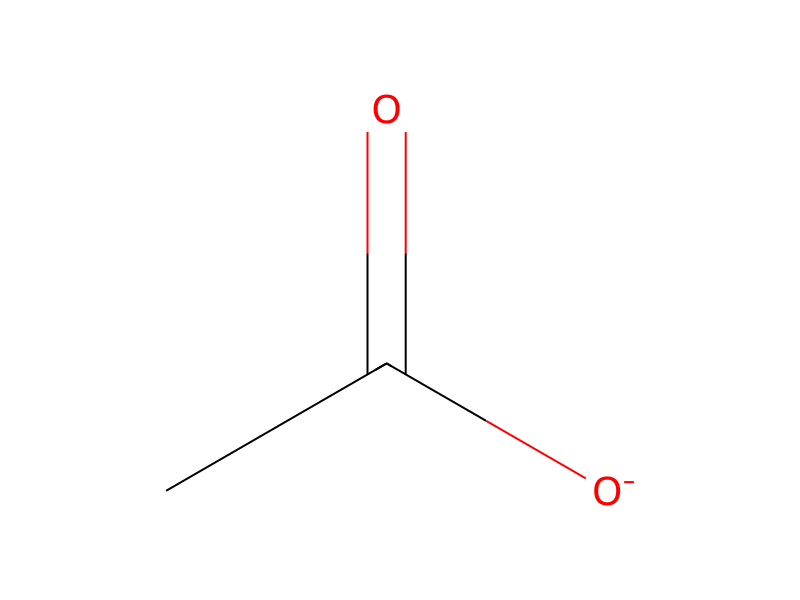


Product 1

Reagents, catalysts & solvents 1

Procedure
To the crude alcohol from Step (D) supra., there is added 2.34 kg. (29.6 moles) of dry pyridine. Under a blanket of nitrogen gas, 6 kg. (59.2 moles) of acetic anhydride is added at room temperature over a 6 hour period. After stirring several additional hours, a sample is pulled and analyzed on a 6' carbowax column for loss of alcohol and appearance of the desired acetate. After completion of the reaction, the crude product is transferred to a distillation apparatus where the excess acetic anhydride and residual pyridine are removed under vacuum. Finally, the product is flash distilled through a thin film evaporator, the first pass removing residual lights and unreacted 11-chloro-1-undecyne from Step (D), supra., and the second pass to flash the product off higher boiling residues at 170° C./3 mm Hg. This yields 15.3 kg. (53.8 moles) of the acetate which is sufficiently pure to carry on to the next step (yield is 55.7% based on 11-chloro-1-undecyne in Step (D) supra.).
Workup
- addition, there is added 2.34 kg
- customAfter completion of the reaction
- customare removed under vacuum
- distillationdistilled through a thin film evaporator
- customthe first pass removing residual lights and unreacted 11-chloro-1-undecyne from Step (D), supra
- customat 170° C.
Sources & evidence
- ORD record
- ord-1a044ebdd0fa47ae8652eee58d31cf99
- Source dataset
- uspto-grants-1983_08
- Patent number
- US04400550
Reaction notes
Loading…