Citric Acid → Citric Acid
Reaction equation

C(O)(=O)CC(O)=[O:4].[C:8]([OH:16])(=[O:15])[CH:9]([CH2:11][C:12]([OH:14])=[O:13])[OH:10].C(O)(=O)/C=C\C(O)=O.[C:25]([OH:37])(=[O:36])[CH2:26][C:27]([CH2:32][C:33]([OH:35])=[O:34])([C:29]([OH:31])=[O:30])[OH:28]>>[C:8]([OH:16])(=[O:15])[CH:9]([CH:11]([C:12]([OH:14])=[O:13])[OH:4])[OH:10].[C:25]([OH:37])(=[O:36])[CH2:26][C:27]([CH2:32][C:33]([OH:35])=[O:34])([C:29]([OH:31])=[O:30])[OH:28]Participants
6
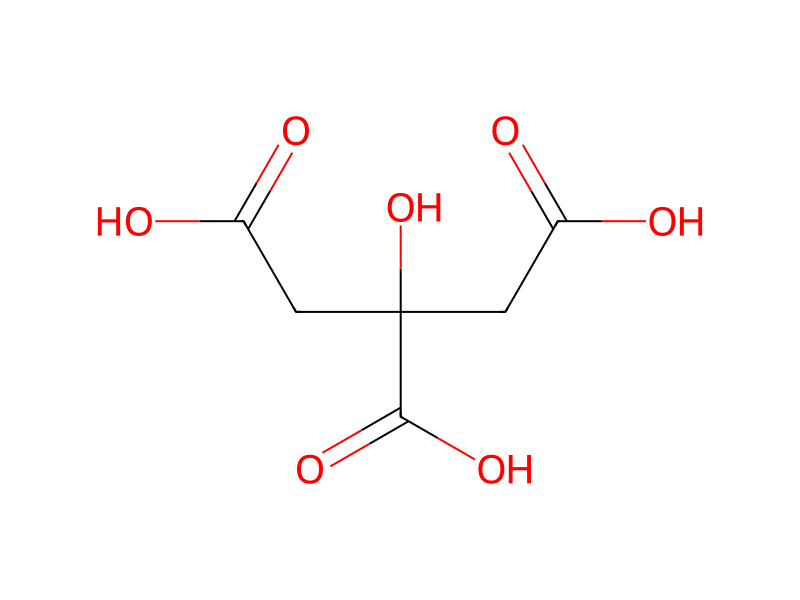


Procedure
Aged (and brittle) carboxylated cellulose, malonic acid, malic acid and maleic acid each was separately reacted with ZnO to produce adhesive material followed by formation of hard cement in a way similar to that with citric acid. One sample of tartaric acid, however, did not yield a "stringy" adhesive mass like with citric acid but it was found that this sample of tartaric acid was somewhat slow to wet in spite of being very soluble. In general it appears that polycarboxylic acids that are readily (quickly) soluble, considerably soluble and quickly wet show reaction with ZnO as does citric acid.
Workup
- customeach was separately reacted with ZnO
- customto produce adhesive material
Sources & evidence
- ORD record
- ord-ff17f5c8feeb4e3388e67a1ba4957ec0
- Source dataset
- uspto-grants-1977_02
- Patent number
- US04005706
Reaction notes
Loading…