Pyridine → N~1~,N~7~-Dipropylheptane-1,7-diamine
Reaction equation

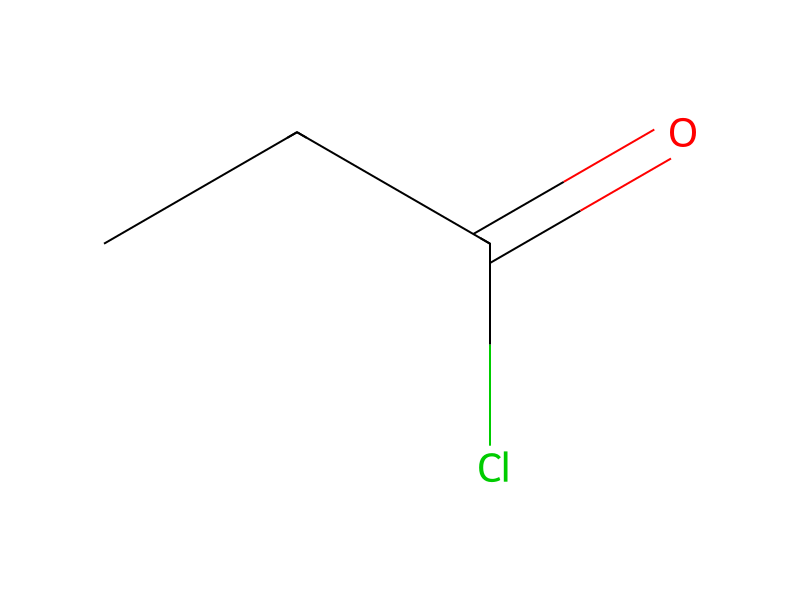
N1C=C[CH:4]=[CH:3][CH:2]=1.[C:7](Cl)(=O)[CH2:8][CH3:9].[CH2:12]([NH2:20])[CH2:13][CH2:14][CH2:15][CH2:16][CH2:17][CH2:18][NH2:19].C(N)(=O)CCCCCCCCCCCC(N)=O>C1C=CC=CC=1>[CH2:7]([NH:19][CH2:18][CH2:17][CH2:16][CH2:15][CH2:14][CH2:13][CH2:12][NH:20][CH2:2][CH2:3][CH3:4])[CH2:8][CH3:9]Participants
Reactant 4



Product 1

Reagents, catalysts & solvents 1

Procedure
The intermediate N,N'-di-n-propyl-1,7-heptanediamine was prepared as follows: To a solution containing 43.5 g. of pyridine in 600 ml. of benzene cooled in an ice bath was added dropwise over a period of 10 minutes 51.0 g. of propionyl chloride. To the resulting stirred and cooled solution was added dropwise over a period of 30 minutes 32.5 g. of 1,7-heptanediamine. After the ice bath was removed, the reaction mixture was stirred at room temperature for 20 hours and then filtered to remove a pale yellow solid. The filtrate was evaporated in vacuo. The residual material was combined with the pale yellow solid and the mixture was shaken well with a mixture of 500 ml. of chloroform, 500 ml. of water and 10 ml. of 12N hydrochloric acid. The layers were separated and the acidic aqueous layer was extracted with four 150 ml. portions of chloroform. The combined chloroform extracts were dried over anhydrous potassium carbonate. When the solid separated from the chloroform solution, an additional 750 ml. of chloroform was added. The mixture was heated to boiling and filtered through a sintered glass funnel. The chloroform solution was evaporated in vacuo and the solid residue was recrystallized from 250 ml. of acetonitrile and dried in a vacuum oven at 50° C. to yield 43.1 g. of heptamethylenebis(propionamide), m.p. 132°-133.5° C.
Workup
- additionTo a solution containing 43.5 g
- additionwas added dropwise over a period of 10 minutes 51.0 g
- temperaturecooled solution
- additionwas added dropwise over a period of 30 minutes 32.5 g
- customAfter the ice bath was removed
- stirringthe reaction mixture was stirred at room temperature for 20 hours
- filtrationfiltered
- customto remove a pale yellow solid
- customThe filtrate was evaporated in vacuo
- stirringthe mixture was shaken well with a mixture of 500 ml
- customThe layers were separated
- extractionthe acidic aqueous layer was extracted with four 150 ml
- dry with materialThe combined chloroform extracts were dried over anhydrous potassium carbonate
- customWhen the solid separated from the chloroform solution
- additionof chloroform was added
- temperatureThe mixture was heated
- filtrationfiltered through a sintered glass funnel
- customThe chloroform solution was evaporated in vacuo
- customthe solid residue was recrystallized from 250 ml
- dry with materialof acetonitrile and dried in a vacuum oven at 50° C.
- customto yield 43.1 g
Sources & evidence
- ORD record
- ord-b656dd4057d9472fbc21f6738269a92e
- Source dataset
- uspto-grants-1977_02
- Patent number
- US04009208
Reaction notes
Loading…