Phthalic Anhydride → Dihydrochloride trihydrate
Reaction equation

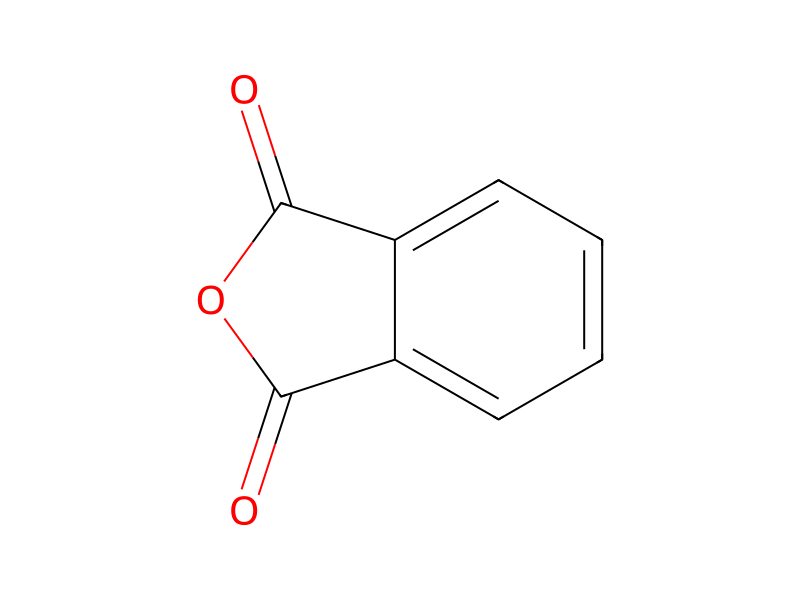
[C:1]1(=[O:11])[O:6][C:4](=[O:5])[C:3]2=[CH:7][CH:8]=[CH:9][CH:10]=[C:2]12.[CH3:12][N:13]([CH3:23])[C:14]1[CH:19]=[CH:18][CH:17]=[C:16]([N:20]([CH3:22])[CH3:21])[CH:15]=1.[Cl:24]C1C=CC=CC=1>[Cl-].[Zn+2].[Cl-]>[CH3:21][N:20]([CH3:22])[C:16]1[CH:15]=[C:14]([N:13]([CH3:23])[CH3:12])[CH:19]=[CH:18][C:17]=1[C:4]([C:3]1[CH:7]=[CH:8][CH:9]=[CH:10][C:2]=1[C:1]([OH:6])=[O:11])=[O:5].[OH2:5].[OH2:5].[OH2:5].[ClH:24].[ClH:24]Participants
6



Procedure
A mixture of phthalic anhydride (5.92 g.), N,N,N' ,N'-tetramethyl-m-phenylenediamine (6.56 g.) zinc chloride (5.40 g.) and chlorobenzene (70 ml.) was heated under reflux for three hours. The chlorobenzene was decanted and the residue was air-dried. A solution of the residue in dilute hydrochloric acid (10%, 20 ml. plus 20 ml. of water) was diluted with more water (20 ml.), affording 2-(2,4-bis-(dimethylamino)benzoyl)benzoic acid (II: Y'2 = Y'4 = (CH3)2N, Z4 = Z'5 = Z'6 = Z7 = H) dihydrochloride trihydrate (4 g., m.p. 136°-141° C.; after recrystallization from ethanol, m.p. 140°-141° C.). In another preparation the free base (m.p. 165°-168° C.) was obtained under less acidic conditions (pH 4- 6).
Workup
- temperaturewas heated
- temperatureunder reflux for three hours
- customThe chlorobenzene was decanted
- customthe residue was air-dried
- additionA solution of the residue in dilute hydrochloric acid (10%, 20 ml. plus 20 ml. of water) was diluted with more water (20 ml.)
Sources & evidence
- ORD record
- ord-582ff1af519949c58a7d8a0ae746b54a
- Source dataset
- uspto-grants-1977_06
- Patent number
- US04032527
Reaction notes
Loading…