2-Amino-2-deoxy-6-O-phosphono-alpha-D-glucopyranose → 102029-88-9
Reaction equation

[CH2:1]([O:12][P:13]([OH:16])([OH:15])=[O:14])[C@H:2]1[O:7][C@H:6]([OH:8])[C@H:5]([NH2:9])[C@@H:4]([OH:10])[C@@H:3]1[OH:11].[C:17](N1C(=O)CCC1=O)(=[O:19])[CH3:18]>C1COCC1.O>[CH3:18][C:17]([NH:9][CH:5]1[CH:6]([OH:8])[O:7][CH:2]([CH2:1][O:12][P:13]([OH:16])([OH:15])=[O:14])[CH:3]([OH:11])[CH:4]1[OH:10])=[O:19]Participants
4
Reactant 2


Product 1

Reagents, catalysts & solvents 1
Procedure
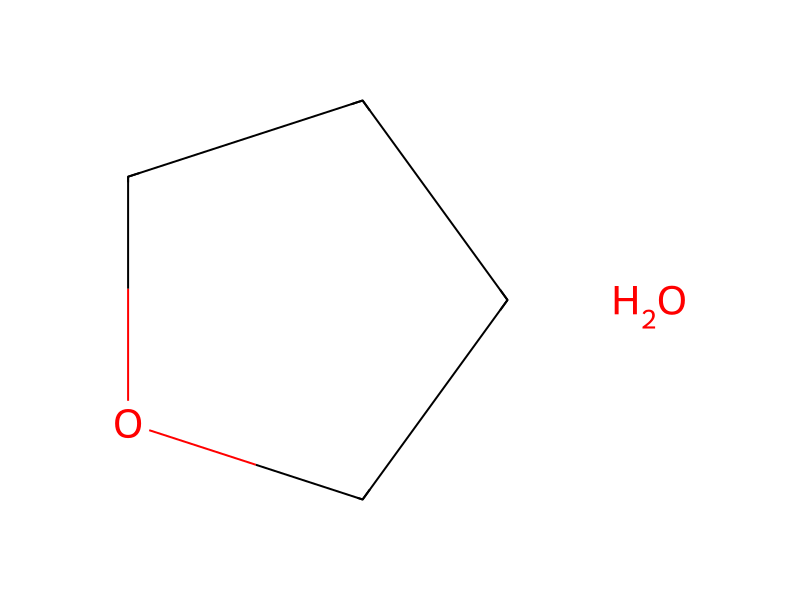
In one process, GlcN-6-P was acetylated in THF/water using N-acetylsuccinimide (NAS) to form GlcNAc-6-P. Acetic anhydride can also be used. That N-acetyl compound was treated with an enzyme preparation from Candida utilis containing N-acetylglucosamine phosphomutase (EC 2.7.5.2) and UDP-GlcNAc pyrophosphorylase (EC 2.7.7.23) to first form GlcNAc-1-P and then UDP-GlcNAc in the presence of UTP and inorganic pyrophosphatase (EC 3.6.1.1) to destroy the inorganic pyrophosphate formed.
Sources & evidence
- ORD record
- ord-c6489ca1bef64d9c964dd3c83a9517d9
- Source dataset
- uspto-grants-1996_05
- Patent number
- US05516665
Reaction notes
Loading…