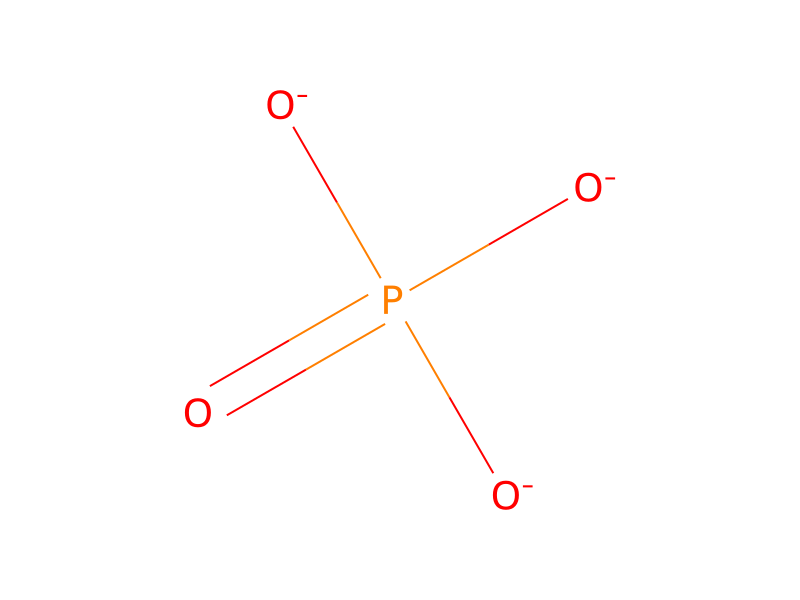
Phosphate → HCID 14567294, compound
Reaction equation

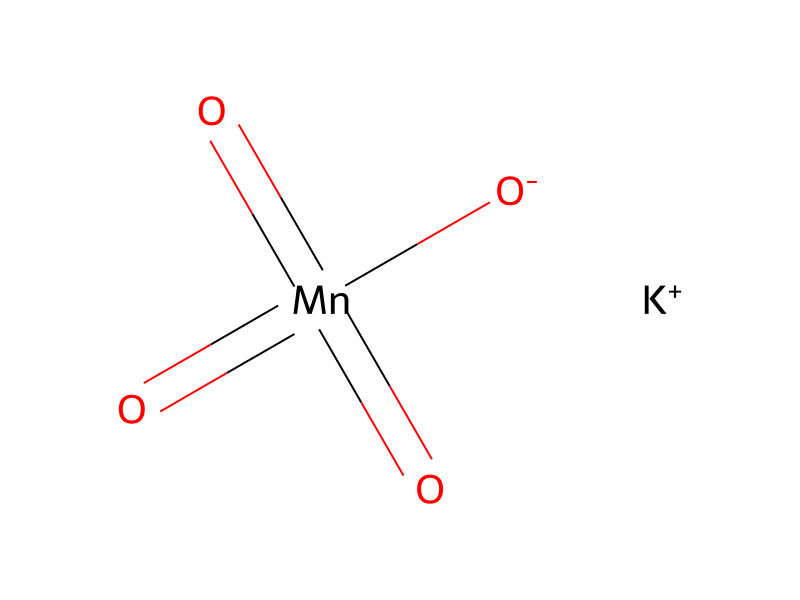
[Cl:1][C:2]1[N:3]=[C:4]([C:14]2[CH:19]=[CH:18][CH:17]=[CH:16][CH:15]=2)[C:5]2[C:10]([C:11]=1[CH:12]=[O:13])=[CH:9][CH:8]=[CH:7][CH:6]=2.P([O-])([O-])([O-])=[O:21].[Mn]([O-])(=O)(=O)=O.[K+]>CC(C)=O>[Cl:1][C:2]1[N:3]=[C:4]([C:14]2[CH:19]=[CH:18][CH:17]=[CH:16][CH:15]=2)[C:5]2[C:10]([C:11]=1[C:12]([OH:21])=[O:13])=[CH:9][CH:8]=[CH:7][CH:6]=2Participants
5
Reactant 3

Product 1

Reagents, catalysts & solvents 1

Procedure
53.5 g 3-Chloro-1-phenyl-isoquinoline-4-aldehyde are suspended in 1.5 l of acetone and 500 ml of phosphate buffer of pH 7. At 40° C., 40 g of potassium permanganate are introduced portionwise within 2 hours and stirring is continued at this temperature for 2 hours. The excess potassium permanganate is destroyed with 10 g sodium hydrogenosulfite and the solution is concentrated to 500 ml and filtered. The filtrate is brought to pH 4 with concentrated hydrochloric acid followed by thorough extraction with acetic ester. Removal of the solvent in vacuo provides 41.1 g of 3-chloro-1-phenyl-isoquinoline-4 carboxylic acid having a melting point of 208° C.
Workup
- customThe excess potassium permanganate is destroyed with 10 g sodium hydrogenosulfite
- concentrationthe solution is concentrated to 500 ml
- filtrationfiltered
- extractionfollowed by thorough extraction with acetic ester
- customRemoval of the solvent in vacuo
Sources & evidence
- ORD record
- ord-7d023e8192de49ca9356f754fa684acb
- Source dataset
- uspto-grants-1981_04
- Patent number
- US04260611
Reaction notes
Loading…