Methoxyacetyl chloride → 3-(Methoxymethyl)-6-[3-(trifluoromethyl)phenyl]-1,2,4-triazolo[4,3-b]pyridazine
Reaction equation

[NH:1]([C:3]1[N:4]=[N:5][C:6]([C:9]2[CH:14]=[CH:13][CH:12]=[C:11]([C:15]([F:18])([F:17])[F:16])[CH:10]=2)=[CH:7][CH:8]=1)[NH2:2].[CH3:19][O:20][CH2:21][C:22](Cl)=O>O1CCOCC1>[CH3:19][O:20][CH2:21][C:22]1[N:4]2[N:5]=[C:6]([C:9]3[CH:14]=[CH:13][CH:12]=[C:11]([C:15]([F:18])([F:17])[F:16])[CH:10]=3)[CH:7]=[CH:8][C:3]2=[N:1][N:2]=1Participants
4
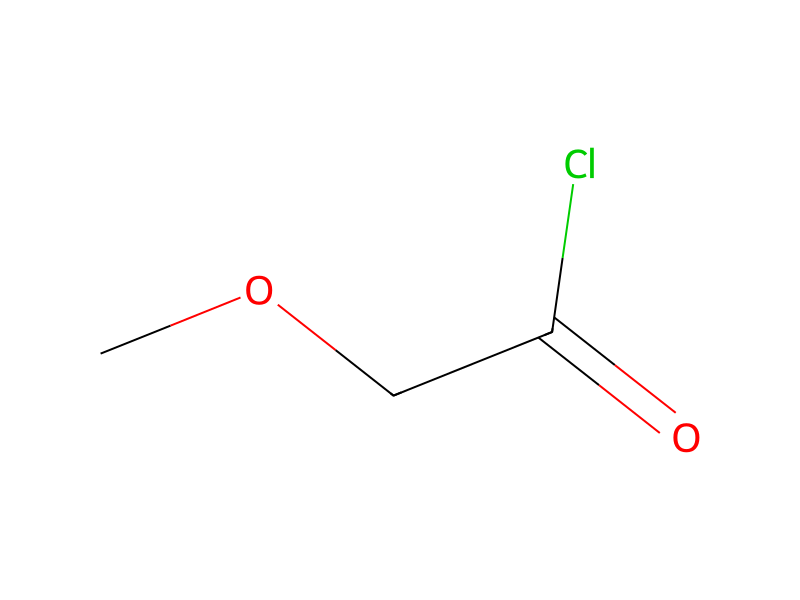



Procedure
To a mixture of 0.02 mole of 3-hydrazino-6-[3-(trifluoromethyl)phenyl]pyridazine in 50 ml. of dioxane is added 0.01 mole of methoxyacetyl chloride. The mixture is heated at reflux temperature for 4 hours, then is filtered. The filtrate is evaporated and the residue is crystallized from dichloromethane-hexane to give the product of the Example, m.p. 149°-150° C.
Workup
- temperatureThe mixture is heated
- temperatureat reflux temperature for 4 hours
- filtrationis filtered
- customThe filtrate is evaporated
- customthe residue is crystallized from dichloromethane-hexane
- customto give the product of the Example, m.p. 149°-150° C.
Sources & evidence
- ORD record
- ord-bc4f9f2a58634bbabff97fdfce889bb0
- Source dataset
- uspto-grants-1981_04
- Patent number
- US04260755
Reaction notes
Loading…